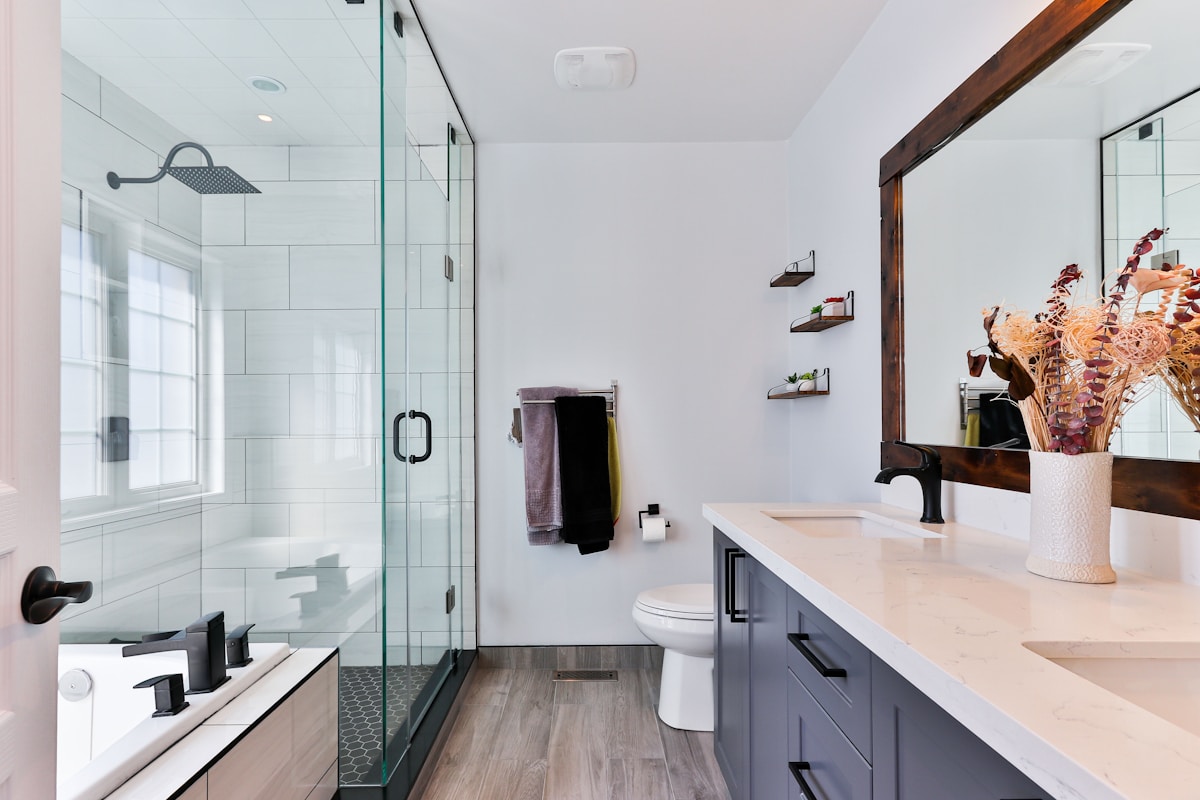
Your bathroom renovation is three days in and the tiler has just finished the shower walls. The tiles look straight, the grout lines are even, and you are feeling good about the job. Then you find out there is no waterproof membrane underneath. Water is going to seep through those tiles, through the substrate, and into the timber framing below. Fixing it means ripping every tile off the wall and starting from scratch.
This is exactly why tiling licence requirements exist. With over 7,456 licensed tilers listed on TradieVerify across Queensland and New South Wales, finding a qualified professional is straightforward. Understanding the tiling licence rules in your state is what protects you from paying twice.
This guide breaks down tiling licence requirements across all eight Australian states and territories, explains the QBCC tiling licence classes, and covers the waterproofing overlap that catches many homeowners off guard.
Do You Need a Licence for Tiling in Australia?
The short answer: yes, in every state and territory, tiling work above a certain dollar threshold requires the tiler to hold a licence or registration. The threshold varies by state, and so does the regulator who issues the licence.
Tiling falls under the broader category of building work in Australian law. Each state’s building legislation defines tiling as regulated work and sets a minimum value above which only licensed practitioners can perform it. Below that threshold, the work is technically unregulated, but consumer protection laws still apply.
The qualification that underpins every tiling licence in Australia is the Certificate III in Wall and Floor Tiling (CPC31320). This is a nationally recognised trade qualification that takes three to four years to complete through an apprenticeship. Without it, a tiler cannot obtain a licence in any state.
Wall and floor tiling covers attaching ceramic, porcelain, glass, marble, slate, stone, and terracotta tiles to internal and external building surfaces. It includes surface preparation, adhesive application, grouting, and in some states, associated waterproofing work.
Roof tiling is a separate licence class and is not covered in this guide.
State-by-State Tiling Licence Requirements
Every state has different rules, different thresholds, and different regulators. Here is a complete breakdown.
| State | Regulator | Licence Threshold | Qualification Required |
|---|---|---|---|
| QLD | QBCC | $3,300 (incl. GST) | Cert III Wall & Floor Tiling |
| NSW | Fair Trading NSW | $5,000 (incl. GST) | Cert III Wall & Floor Tiling |
| VIC | VBA / BPC | $5,000 (incl. GST) | Cert III Wall & Floor Tiling |
| SA | CBS | All residential building work | Cert III Wall & Floor Tiling |
| WA | DEMIRS | $20,000 (incl. GST) | Cert III Wall & Floor Tiling |
| TAS | CBOS | $5,000 (incl. GST) | Cert III Wall & Floor Tiling |
| ACT | Access Canberra | $5,000 (incl. GST) | Cert III Wall & Floor Tiling |
| NT | NT Building Practitioners Board | $12,000 (incl. GST) | Cert III Wall & Floor Tiling |
The difference between Queensland’s $3,300 threshold and Western Australia’s $20,000 threshold is significant. A bathroom floor tiling job costing $4,000 requires a licensed tiler in QLD but not in WA.
You can verify any tiler’s licence on TradieVerify’s search page or through the state regulator directly.
Queensland: QBCC Tiling Licence Classes
Queensland has the most detailed tiling licence framework in Australia and the lowest threshold at $3,300. The Queensland Building and Construction Commission (QBCC) manages all tiling licences under the QBCC Act 1991.
Licence Classes
The QBCC offers a Wall and Floor Tiling licence class that permits the holder to:
- Cut and fix ceramic, glass, marble, slate, stone, and terracotta tiles to fireplaces, floors, hearths, spas, swimming pools, and walls
- Construct terrazzo surfaces
- Apply waterproofing treatments associated with tiling work
- Perform incidental work from other licence classes up to $3,300
Licence Types
Three licence types are available under the wall and floor tiling class:
- Individual contractor. A sole trader who contracts directly with homeowners. Must meet both technical and financial requirements.
- Nominee supervisor. Oversees tiling operations for a company. The company holds the contractor licence; the nominee holds the supervisory licence.
- Site supervisor. Manages tiling work on specific job sites.
Application Requirements
To obtain a QBCC tiling licence, applicants need:
- Technical qualifications. Completion of CPC31320 Certificate III in Wall and Floor Tiling through an apprenticeship, RTO certification, or recognition of prior learning (RPL).
- Managerial qualifications. Contractors and nominee supervisors must complete BSBESB402 (Establish legal and risk management requirements of new business ventures).
- Financial requirements. Contractors must demonstrate minimum net tangible assets based on their maximum revenue category.
Fees (2025-2026)
Individual contractor fees range from $424 to $911 depending on the revenue classification. Supervisor licences are a flat $485. Company licences run $709 to $1,518.
Penalties for unlicensed tiling work in QLD: Up to $71,610 for individuals and $358,050 for companies.
Search for QBCC-licensed tilers in your area on TradieVerify’s Queensland tiler directory.
New South Wales: Fair Trading Tiling Licence
In NSW, tiling work valued at more than $5,000 (including GST) in labour and materials requires a contractor licence from Fair Trading NSW.
Licence Types
NSW offers three licence categories for tilers:
- Individual contractor licence. For sole traders who contract directly with clients.
- Company or partnership contractor licence. For businesses operating as a company or partnership.
- Qualified supervisor certificate. For the person who supervises tiling work within a licensed business.
Licences can be issued for 1, 3, or 5-year periods.
What Counts as Wall and Floor Tiling Work?
NSW defines wall and floor tiling as “attaching tiles to internal or external building surfaces.” This includes waterproofing, mosaics, and surface preparation work directly associated with the tiling.
Qualifications
Applicants must hold one of these qualifications:
- CPC31320 Certificate III in Wall and Floor Tiling (current)
- CPC31311 or CPC31308 Certificate III in Wall and Floor Tiling (superseded but accepted)
- Earlier equivalent qualifications (BCG30198, Qualification 11768, or TAFE #5123)
Penalties for unlicensed tiling work in NSW: Up to $22,000 for individuals and $110,000 for companies.
Verify NSW tiler licences on TradieVerify or at verify.licence.nsw.gov.au.
Victoria: VBA Registration for Tilers
Victoria requires tilers to register as a Domestic Builder (Limited to Floor and Wall Tiling Work) through the Victorian Building Authority (VBA). Since 1 July 2025, the Building and Plumbing Commission (BPC) has taken over registration functions from the VBA.
The threshold in VIC is $5,000 (including GST) in labour and materials.
Registration vs Licence
Victoria uses “registration” rather than “licence” for tilers. A registered domestic builder limited to floor and wall tiling can only perform tiling work, not general building work. The registration process requires:
- Completion of CPC31320 Certificate III in Wall and Floor Tiling
- A technical referee report from a registered building practitioner
- Proof of domestic building insurance for contracts over $16,000
- Demonstration of being a “fit and proper” person
Consumer Protections
For tiling contracts over $10,000, the Domestic Building Contracts Act 1995 applies. This gives homeowners:
- A 5-day cooling-off period
- A 5% deposit cap
- Implied warranties on workmanship
- Access to DBDRV (Domestic Building Dispute Resolution Victoria) for mandatory conciliation before VCAT
Check VIC tiler registrations at vba.vic.gov.au/tools/find-practitioner or on TradieVerify.
South Australia, Western Australia, Tasmania, ACT, and NT
South Australia
Consumer and Business Services (CBS) regulates tiling in SA. Unlike most states, SA does not set a specific dollar threshold. All residential building work, including tiling, requires the contractor to hold a building work licence. Tilers must register as a building work contractor with a wall and floor tiling scope.
Western Australia
WA has the highest threshold in Australia at $20,000 (including GST). Below that amount, tiling work does not require a building registration. Above it, the tiler must be registered with the Department of Energy, Mines, Industry Regulation and Safety (DEMIRS).
This means most standard bathroom tiling jobs in WA do not require the tiler to hold a licence. However, larger projects such as whole-house tiling or commercial work will exceed the threshold.
Tasmania
Consumer, Building and Occupational Services (CBOS) requires a licence for tiling work over $5,000 (including GST). The licence is classified under building work, and applicants need the Certificate III in Wall and Floor Tiling.
Australian Capital Territory
Access Canberra requires tilers to hold a builder’s licence for work over $5,000 (including GST). The tiling licence is a class of the builder’s licence restricted to wall and floor tiling work. Applicants need Certificate III in Wall and Floor Tiling plus supervised practical experience.
Northern Territory
The NT Building Practitioners Board requires registration for building work (including tiling) over $12,000 (including GST). This is the second-highest threshold after WA. Applicants must hold the Certificate III in Wall and Floor Tiling.
Tiling and Waterproofing: The Licence Overlap
This is where many homeowners get caught out. Tiling and waterproofing are closely linked, but they are often separate licence classes.
The Problem
Under AS 3740:2021 (Waterproofing of Domestic Wet Areas) and the National Construction Code, all wet areas in Australian homes must be waterproofed before tiles are installed. This includes bathrooms, showers, laundries, and any area with a floor waste.
The waterproof membrane must be applied before tiling begins. If the membrane fails, the tiles must come off to fix it. This is why waterproofing and tiling are connected, and why getting both right matters.
Who Can Do the Waterproofing?
The rules depend on the state:
Queensland. The QBCC wall and floor tiling licence explicitly includes “applying waterproofing treatments” as part of the scope. A licensed tiler in QLD can legally apply waterproofing membranes associated with their tiling work. However, standalone waterproofing work (not associated with tiling) requires a separate waterproofing licence.
New South Wales. Waterproofing is a separate licence class. NSW Fair Trading requires a dedicated waterproofing licence (Certificate III in Construction Waterproofing, CPC31420) for applying membranes. A tiler who also waterproofs must hold both licences, or subcontract the waterproofing to a licensed waterproofer.
Victoria. Waterproofing is included within the scope of registered domestic builders, but the VBA treats it as specialist work. A tiler who holds only a floor and wall tiling registration may need to engage a separate waterproofing specialist for wet area membranes.
Other states. Requirements vary, but the general principle is the same: check whether your tiler’s licence covers waterproofing, or whether a separate waterproofer is needed.
What to Ask Your Tiler
Before any wet area tiling job, ask these questions:
- Does your licence cover waterproofing, or will you engage a separate waterproofer?
- Will you provide a waterproofing certificate or compliance documentation?
- What membrane system will you use, and does it comply with AS 3740:2021?
With 1,385 licensed waterproofers across QLD and NSW listed on TradieVerify, finding a specialist is straightforward if your tiler does not hold waterproofing coverage.
For more detail, read our waterproofer hiring guide.
How to Verify a Tiler’s Licence
Before you sign a contract or pay a deposit, check the tiler’s credentials. Here is how:
Step 1: Search on TradieVerify. Use TradieVerify’s licence search to look up the tiler by name, licence number, or business name. This shows their licence status, trade classification, and state.
Step 2: Verify on the state register. Cross-check against the official state register:
- QLD: QBCC licence search
- NSW: verify.licence.nsw.gov.au
- VIC: VBA Find a Practitioner
- WA: DEMIRS Online Licence Search
- SA: CBS Licence Search
- TAS: CBOS Licence Register
- ACT: Access Canberra
Step 3: Check these details.
- Licence status. Must be current and active, not expired or suspended.
- Licence class. Confirm it specifically covers wall and floor tiling.
- Business details. The licence name and ABN should match the quote.
- Insurance. Ask for a copy of their public liability insurance certificate.
What Happens if You Hire an Unlicensed Tiler?
Hiring an unlicensed tiler is not just the tiler’s problem. It affects you as the homeowner.
No regulatory recourse. If the work is defective, you cannot lodge a complaint with the state regulator. QBCC, Fair Trading NSW, and the VBA only handle disputes involving licensed practitioners.
Insurance gaps. Home warranty insurance does not apply to unlicensed work. If the tiler disappears or goes bankrupt, you have no safety net.
Voided building insurance. If unlicensed tiling work causes water damage, your home and contents insurer may reject the claim on the grounds that the work was not performed by a licensed tradesperson.
Resale problems. Building inspectors check for compliance certificates and licensed work during pre-purchase inspections. Unlicensed tiling, particularly in wet areas, can reduce your property’s value or delay a sale.
For a full breakdown, read our guide on what happens if you hire an unlicensed tradie.
DIY Tiling: What You Can Legally Do Yourself
Every state allows some degree of DIY tiling on your own home, but the rules are strict when wet areas are involved.
Dry areas. You can generally tile a laundry splashback, kitchen floor, or outdoor entertaining area without a licence, provided the work is on your own home and you are not contracting the work to someone else.
Wet areas. This is where it gets complicated. Even on your own home, wet area waterproofing must comply with AS 3740:2021. If you tile a shower without proper waterproofing and the building inspector flags it (or water damage appears later), you bear full responsibility.
Owner-builder permits. If your tiling project is part of a larger renovation that exceeds your state’s owner-builder threshold (typically $10,000 to $16,000), you may need an owner-builder permit. This comes with additional obligations including insurance, defect warranty periods, and disclosure requirements when selling. Read our owner-builder permits guide for details.
The practical advice: Tile dry areas yourself if you have the skills. For wet areas, hire a licensed tiler and a licensed waterproofer. The cost of getting it wrong far exceeds the cost of getting it done right.
Frequently Asked Questions
Do you need a licence for tiling in Australia?
Yes. Every Australian state and territory requires tilers to hold a licence or registration for work above a set dollar threshold. The lowest threshold is Queensland at $3,300 and the highest is Western Australia at $20,000. Below the threshold, the work is unregulated but consumer protection laws still apply. You can check any tiler’s licence on TradieVerify.
What licence does a tiler need in Queensland?
A tiler in Queensland needs a QBCC Wall and Floor Tiling licence for any tiling work valued at over $3,300 (including GST). The applicant must hold a Certificate III in Wall and Floor Tiling (CPC31320) and meet QBCC financial and managerial qualification requirements. The QBCC tiling licence also covers associated waterproofing treatments. Search for licensed QLD tilers on TradieVerify.
Can a tiler do waterproofing work?
It depends on the state. In Queensland, the QBCC wall and floor tiling licence includes waterproofing treatments associated with tiling work. In NSW, waterproofing requires a separate licence (Certificate III in Construction Waterproofing). Always ask your tiler whether their licence covers waterproofing before any wet area work begins. If not, they should engage a licensed waterproofer.
What qualifications does a tiler need in Australia?
All states require the Certificate III in Wall and Floor Tiling (CPC31320) as the minimum qualification. This is a nationally recognised trade qualification completed through a three- to four-year apprenticeship. Some states also require managerial or business qualifications for contractor-level licences.
How much does it cost to get a tiling licence?
Costs vary by state. In Queensland, QBCC individual contractor fees range from $424 to $911 depending on revenue category, with supervisor licences at $485. In NSW, Fair Trading licence fees depend on the licence period (1, 3, or 5 years). Most states also require completion of the Certificate III qualification, which costs $2,000 to $15,000 depending on the training pathway and whether it is subsidised.
What is the penalty for tiling without a licence?
Penalties are set by each state. In Queensland, unlicensed building work (including tiling) attracts fines of up to $71,610 for individuals and $358,050 for companies. In NSW, penalties reach $22,000 for individuals and $110,000 for companies. Beyond fines, unlicensed tilers cannot access state dispute resolution processes, and their clients lose regulatory protections.
Key Takeaways
- Every Australian state requires a tiling licence above a set threshold, ranging from $3,300 (QLD) to $20,000 (WA).
- The Certificate III in Wall and Floor Tiling (CPC31320) is the universal qualification requirement.
- Queensland has the most detailed tiling licence framework with specific wall and floor tiling classes under the QBCC.
- Waterproofing and tiling licences overlap differently in each state. In QLD, tilers can waterproof. In NSW, a separate licence is needed.
- Always verify your tiler’s licence before signing a contract. Use TradieVerify or the relevant state register.
- Wet area tiling must comply with AS 3740:2021 regardless of who does the work.
- Hiring an unlicensed tiler leaves you without regulatory protections, insurance coverage, and dispute resolution options.
Search for licensed tilers in your area on TradieVerify’s tiler directory.
Sources
- Queensland Building and Construction Commission, “Wall and Floor Tiling,” qbcc.qld.gov.au
- NSW Government, “Wall and floor tiling work,” nsw.gov.au
- Victorian Building Authority, “Domestic Builder Registration,” vba.vic.gov.au
- Standards Australia, “AS 3740:2021 Waterproofing of domestic wet areas,” standards.org.au
- Australian Building Codes Board, “Part 10.2 Wet Area Waterproofing,” ncc.abcb.gov.au
- DEMIRS Western Australia, “Online Licence Search,” ols.demirs.wa.gov.au
- Consumer and Business Services SA, “Building work contractors,” cbs.sa.gov.au
- Housing Industry Association, “Waterproofing of wet areas,” hia.com.au