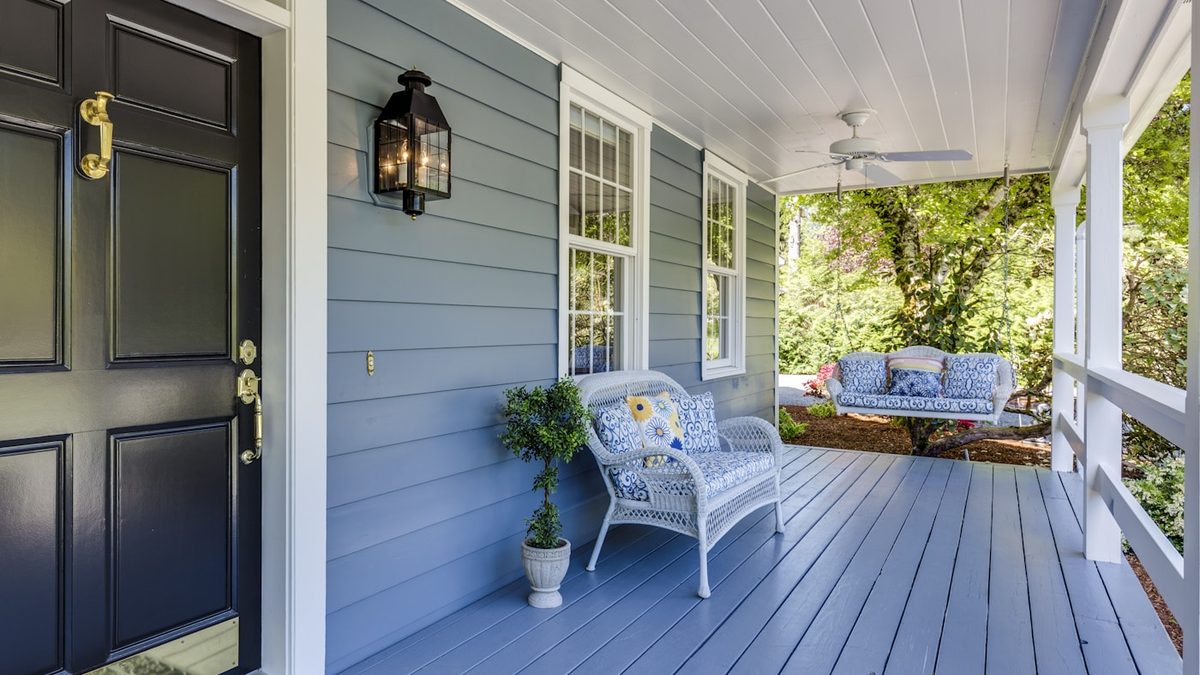
A homeowner in Melbourne’s eastern suburbs spent $85,000 on a full kitchen renovation six weeks before listing her three-bedroom brick veneer. The kitchen looked spectacular. The property sold for $1.12 million, roughly $40,000 above comparable sales on the same street. She recovered less than half her renovation spend. Two streets away, a neighbour spent $4,500 on a full exterior repaint and $2,800 on landscaping. His place sold for $35,000 above expectations. Total spend: $7,300. Net gain: roughly $27,700.
The difference between those two outcomes explains why pre-sale renovation advice matters. Not every dollar you spend before selling adds a dollar to the sale price. Some trade jobs return two to four times their cost. Others barely break even. A few actually lose money if you overcapitalise for the suburb.
This guide covers which trade jobs deliver the strongest return on investment before selling an Australian home, what each job costs, which licensed tradespeople you need, and how to avoid spending $85,000 to make $40,000.
1. Understanding ROI on Pre-Sale Renovations
Return on investment for home renovations is not a fixed number. It depends on three factors: how much you spend, how much the improvement lifts the sale price, and the ceiling price in your suburb.
Typical ROI ranges by renovation type:
| Renovation | Typical Cost | Expected ROI | Value Added |
|---|---|---|---|
| Interior and exterior paint | $4,000 to $15,000 | 200 to 400% | $8,000 to $60,000 |
| Landscaping and kerb appeal | $2,000 to $10,000 | 100 to 200% | $4,000 to $20,000 |
| Bathroom refresh (cosmetic) | $5,000 to $15,000 | 60 to 80% | $3,000 to $12,000 |
| Kitchen refresh (cosmetic) | $8,000 to $20,000 | 70 to 100% | $5,600 to $20,000 |
| Full kitchen renovation | $25,000 to $60,000 | 50 to 70% | $12,500 to $42,000 |
| Full bathroom renovation | $15,000 to $40,000 | 50 to 70% | $7,500 to $28,000 |
| Deck or outdoor entertaining | $8,000 to $25,000 | 60 to 80% | $4,800 to $20,000 |
| Flooring replacement | $5,000 to $15,000 | 50 to 75% | $2,500 to $11,250 |
The overcapitalisation trap. Every suburb has a price ceiling. If comparable homes sell for $800,000, spending $60,000 on a kitchen will not push your sale to $860,000. Research recent sales on your street before committing to any renovation over $10,000.
The two-week rule. If a trade job takes longer than two weeks, factor in the cost of delayed listing. Each week off-market during peak selling season represents lost buyer competition.
2. Quick Wins: High-ROI Jobs Under $5,000
These are the trade jobs that consistently return more than you spend. Every one of them costs under $5,000 and can be completed within a week.
Fresh interior paint ($2,500 to $6,000 for a 3-bedroom house). Nothing transforms a tired property faster than a new coat of paint. Neutral tones (warm whites, soft greys, greige) appeal to the broadest range of buyers. Patchy, scuffed, or dated feature walls signal deferred maintenance, even if the house is structurally sound. A licensed painter will prep surfaces properly, fill cracks, and apply two coats with clean edges that a DIY job rarely matches. For homes built before 1970, a licensed painter trained in lead paint handling (AS/NZS 4361.2) is not optional.
Who to call: A licensed painter. In states with licensing thresholds (QLD $3,300, NSW $5,000, VIC $10,000), any job above the threshold requires a licensed contractor.
Front garden and entrance landscaping ($1,500 to $5,000). Kerb appeal sets the emotional tone before a buyer walks through the front door. Clean mulch beds, trimmed hedges, fresh turf, and a clear path make the property look cared for. Add a new letterbox and house numbers for under $200.
Who to call: A licensed landscaper for structural work (retaining walls, paving, built garden beds).
Exterior pressure wash and facade repaint ($1,500 to $4,000). Dirty render, faded weatherboards, and mouldy eaves signal neglect. A pressure wash costs $300 to $800. Repainting the front facade and trim costs $1,500 to $4,000 depending on surface area.
Who to call: A licensed painter for repainting.
Updated light fittings and switches ($500 to $2,000). Brass light switches from 1995 and yellowed ceiling roses date a house instantly. Replacing all visible light switches, power point covers, and pendant fittings with modern equivalents costs $500 to $2,000 for a three-bedroom home.
Who to call: A licensed electrician must do all electrical work. There is no DIY threshold for electrical work in any Australian state or territory.
3. Paint: The Highest-ROI Trade Job
Painting consistently delivers the highest return of any pre-sale renovation at 200 to 400 percent ROI. A full interior and exterior repaint costs $6,000 to $15,000 and adds $20,000 to $40,000 to the perceived sale price. Buyers subconsciously associate fresh paint with a well-maintained home.
Where to prioritise (highest impact first):
| Priority | Interior | Exterior |
|---|---|---|
| 1st | Living areas and hallways | Front facade and entrance |
| 2nd | Kitchen walls and ceilings | Eaves and fascia |
| 3rd | Bathrooms | Window frames and doors |
| 4th | Bedrooms | Fences visible from the street |
Colour advice. Warm whites (Dulux Lexicon Quarter, Dulux Natural White) test consistently well across Australian buyer demographics. Avoid bold feature walls and dark ceilings. The goal is a blank canvas, not a design statement.
Who to call: A licensed painter. Get three quotes and check each painter’s licence on TradieVerify. Budget $25 to $45 per square metre for interior and $35 to $60 per square metre for exterior.
4. Kitchen Upgrades: Cosmetic Refresh vs Full Renovation
Kitchens sell houses. Every real estate agent in Australia will tell you that. But there is a massive difference between a $10,000 cosmetic refresh (70 to 100 percent ROI) and a $50,000 full renovation (50 to 70 percent ROI) when it comes to pre-sale value.
Cosmetic kitchen refresh ($8,000 to $20,000):
- Respray or wrap existing cabinetry in a modern finish ($3,000 to $6,000). This is the single best-value kitchen upgrade. New doors on existing carcasses transform the look without demolition.
- Replace benchtop ($2,000 to $5,000). Laminate benchtops in stone-look finishes cost a fraction of engineered stone and photograph well.
- New tapware and sink ($500 to $1,500). Modern matte black or brushed nickel tapware updates the kitchen instantly.
- New splashback ($1,000 to $3,000). Subway tiles or pressed tin panels over existing surfaces.
- Replace handles and knobs ($200 to $500). The cheapest upgrade with disproportionate visual impact.
When to do a full kitchen renovation: Only if the kitchen is genuinely dysfunctional AND your suburb’s median price justifies the spend. In a $1.5 million suburb, a dated kitchen costs you at auction. In a $600,000 suburb, a full renovation may overcapitalise.
Trades needed for a cosmetic kitchen refresh:
| Task | Trade Required |
|---|---|
| Cabinetry respray or wrapping | Specialist cabinet painter |
| New benchtop installation | Carpenter or kitchen installer |
| Tap and sink replacement | Licensed plumber |
| Splashback tiling | Licensed tiler (if above $3,300 in QLD) |
| New rangehood or cooktop wiring | Licensed electrician |
| Gas cooktop connection | Licensed gasfitter |
5. Bathroom Improvements That Buyers Notice
Bathrooms are the second most scrutinised room after the kitchen. Fortunately, most buyer objections can be resolved with a cosmetic refresh rather than a gut renovation.
Cosmetic bathroom refresh ($3,000 to $8,000):
- Regrout existing tiles ($500 to $1,500). Dirty grout makes a bathroom look decades older than it is. Professional regrouting restores the tiled surface without removing a single tile.
- Replace tapware, towel rails, and toilet seat ($500 to $1,200). Matching all fixtures in a consistent finish (chrome, matte black, or brushed nickel) creates visual cohesion.
- New vanity and mirror ($800 to $2,500). A wall-hung vanity opens up floor space and photographs well. Pair with an LED-backlit mirror for a modern look.
- Reseal shower screen ($200 to $400). Yellowed or mouldy silicone is the first thing buyers notice in a bathroom.
- Fresh paint on walls and ceiling ($300 to $600). Use moisture-resistant paint rated for wet areas.
When a full bathroom renovation makes sense: If waterproofing has failed, tiles are cracked, or the layout includes an avocado-green bath from 1978, a cosmetic refresh will not fool anyone. Budget $15,000 to $40,000.
Trades needed: A licensed plumber for taps, showers, and toilets. A licensed tiler for regrouting and tile replacement. A licensed electrician for exhaust fans and heated towel rails. A licensed builder for structural or waterproofing work.
6. Landscaping and Outdoor Living
Outdoor spaces consistently deliver 100 to 200 percent ROI for pre-sale improvements. The key is matching the outdoor upgrade to buyer expectations in your area.
High-value outdoor improvements:
Deck or paved entertaining area ($5,000 to $15,000). An outdoor entertaining space extends liveable floor area in the buyer’s mind. Treated pine decking costs $180 to $300 per square metre installed. Composite ($350 to $500/m²) requires zero maintenance, which appeals to buyers.
Fence replacement or repair ($1,500 to $5,000). A sagging Colorbond or rotting timber fence devalues the entire backyard. Replacing the front fence has bigger visual impact than the rear. Budget $75 to $120 per linear metre for Colorbond and $90 to $150 for hardwood.
Garden beds and planting ($1,000 to $3,000). Fresh mulch, mature plants (not seedlings), defined edges, and a working irrigation system signal a low-maintenance, established garden.
Lawn restoration ($500 to $2,000). Dead or patchy lawn is a deal-breaker for families. Turf replacement with Sir Walter or Kikuyu costs $15 to $25 per square metre installed.
Trades to engage: A licensed landscaper for structural work including retaining walls, paving, and built garden beds. A licensed carpenter for timber decking. A licensed electrician for outdoor lighting. A licensed plumber for garden tap relocation or irrigation connection.
7. Electrical and Plumbing Compliance
These trade jobs do not add glamour, but they remove objections that kill sales. Anything flagged in a pre-purchase inspection becomes a negotiation lever or a reason to walk away.
Switchboard upgrade ($800 to $2,500). Homes with ceramic fuse boards or switchboards lacking safety switches (RCDs) raise red flags in every building inspection report. A licensed electrician upgrades to a modern switchboard with RCDs in half a day.
Smoke alarm compliance ($200 to $800). Queensland requires interconnected photoelectric smoke alarms in every bedroom, hallway, and level. Non-compliant alarms appear in inspection reports and can delay settlement. A licensed electrician installs hardwired units for $150 to $200 each.
Leaking taps and running toilets ($150 to $500). A dripping tap signals deferred maintenance. Fix every leak, running cistern, and slow drain before listing. A licensed plumber can handle multiple issues in a single visit.
Hot water system check ($0 to $100). If your system is older than 10 years, have a licensed plumber inspect it before listing. If replacement is imminent, disclose it rather than letting it become a surprise during due diligence.
8. Flooring: When to Replace, When to Refinish
Flooring sits in the middle tier of pre-sale ROI (50 to 75 percent), but damaged or outdated flooring actively detracts from value. The decision is whether to refinish what you have or replace it.
Timber floor sanding and polishing ($25 to $45 per square metre). If you have hardwood floors under carpet, exposing and polishing them is one of the best-value pre-sale jobs. Budget $2,500 to $4,500 for a 100-square-metre home. Allow 3 to 5 days including drying time.
Carpet replacement ($30 to $60 per square metre installed). Stained or odorous carpet is a deal-breaker. Replace with mid-range, neutral carpet in bedrooms and living areas. A three-bedroom house typically needs 60 to 80 square metres, costing $1,800 to $4,800.
When NOT to replace flooring. If existing flooring is in reasonable condition and neutral in colour, leave it. Replacing adequate flooring burns cash better spent on painting or landscaping.
Who to call: Floor sanding specialists for timber. Carpet layers for carpet. A licensed carpenter if subfloor work is needed.
9. What Not to Spend Money On
Some renovations feel like they should add value but consistently underperform. Avoid these unless your agent specifically recommends them for your property and suburb.
Swimming pool installation. Pools cost $30,000 to $80,000 and rarely return more than 30 to 50 percent. Many buyers with young children see pools as a liability, and ongoing maintenance ($1,500 to $3,000 per year) reduces perceived value. If you already have a pool, ensure it meets AS 1926.1 fencing requirements.
Overcapitalised bathroom or kitchen. A $50,000 bathroom in a suburb where houses sell for $700,000 will not return its cost. Match your renovation to the suburb median.
Highly personal design choices. Bold wallpaper, specific-use rooms (home cinema, wine cellar), and unusual joinery appeal to a narrow buyer pool.
Granny flat construction. At $100,000 to $200,000 with a 3-to-6-month timeline, granny flats are impractical as a pre-sale improvement. If you already have one, highlight the rental yield in your listing.
10. Pre-Sale Trade Job Timeline
Timing your trade jobs matters as much as choosing the right ones. Here is a practical timeline working backwards from your planned listing date.
| Weeks Before Listing | Task | Trade |
|---|---|---|
| 8 to 10 weeks | Commission building inspection for your own knowledge | Building inspector |
| 6 to 8 weeks | Start any renovation work (kitchen, bathroom) | Licensed builder |
| 4 to 6 weeks | Full interior and exterior repaint | Licensed painter |
| 3 to 4 weeks | Landscaping and outdoor improvements | Licensed landscaper |
| 2 to 3 weeks | Electrical compliance (switchboard, smoke alarms, lights) | Licensed electrician |
| 2 to 3 weeks | Plumbing fixes (taps, toilets, hot water check) | Licensed plumber |
| 1 to 2 weeks | Carpet replacement or floor polishing | Carpet layer or floor sander |
| 1 week | Final clean and styling | Professional cleaner and stylist |
Book trades early. In spring, painters and landscapers book out 3 to 4 weeks in advance in Sydney, Melbourne, and Brisbane.
Frequently Asked Questions
What is the best renovation to do before selling a house in Australia?
A full interior and exterior repaint consistently delivers the highest ROI, returning 200 to 400 percent of its cost. A three-bedroom house costs $6,000 to $15,000 to repaint and typically adds $20,000 to $40,000 to the perceived sale price. Find a licensed painter on TradieVerify.
How much should I spend on renovations before selling?
Spend no more than 5 to 10 percent of your expected sale price. For a home expected to sell at $800,000, that means $40,000 to $80,000. Focusing on high-ROI jobs (paint, landscaping, cosmetic kitchen and bathroom refresh) often returns more than a single large renovation. Research your suburb’s price ceiling before committing.
Should I renovate or sell as is?
Sell as is if the property needs more than $50,000 in work, or if the market is strong enough that homes sell quickly regardless of condition. Renovate if targeted improvements costing $5,000 to $20,000 will remove buyer objections. Ask your agent for a pre-sale assessment before deciding.
Do I need licensed tradespeople for pre-sale renovations?
Yes, for any plumbing, electrical, gas fitting, or structural building work. Using unlicensed tradespeople voids home warranty insurance and creates a disclosure liability at sale. Check licences on TradieVerify before hiring.
Which rooms should I prioritise when preparing to sell?
Prioritise in this order: kitchen (buyers spend the most time here during inspections), bathroom (the second most scrutinised room), living areas (first impression when entering), and the front exterior (kerb appeal sets expectations before a buyer walks through the door). Bedrooms and secondary spaces can usually get by with fresh paint alone.
How far in advance should I start preparing my home for sale?
Allow 8 to 10 weeks before your target listing date. This covers a pre-sale building inspection, renovation work, painting, landscaping, compliance jobs, and final styling. In spring, add an extra two weeks for tradie availability in peak season.
Key Takeaways
- Paint delivers the highest ROI. Budget $6,000 to $15,000 for a full repaint and expect 200 to 400 percent return.
- Cosmetic refreshes beat full renovations. A $10,000 kitchen refresh returns more per dollar than a $50,000 gut job.
- Landscaping is undervalued. Spending $2,000 to $10,000 on kerb appeal and outdoor spaces returns 100 to 200 percent.
- Fix compliance issues first. Switchboard upgrades, smoke alarms, and plumbing repairs remove buyer objections that kill deals.
- Match your budget to the suburb. Research comparable sales before committing to any renovation over $10,000.
- Use licensed tradespeople. Unlicensed work creates legal liability and voids insurance. Verify licences on TradieVerify.
Related Guides
- How Much Does House Painting Cost? Full 2025–2026 Price Guide — Our house painting costs
- How Much Does a Bathroom Renovation Cost? Full 2025–2026 Price Guide — Our bathroom renovation costs
- How to Hire a Licensed Builder — Our builder hiring guide
Sources
- Housing Industry Association. “HIA Housing Scorecard.” HIA Economics. https://hia.com.au/resources-and-advice/economic-research
- CoreLogic Australia. “Property Value Indices and Renovation Impact Data.” CoreLogic Research. https://www.corelogic.com.au/research
- Real Estate Institute of Australia. “Housing Market Data and Consumer Guidance.” REIA. https://reia.asn.au
- Queensland Building and Construction Commission. “Licensing Requirements by Trade Category.” QBCC. https://www.qbcc.qld.gov.au
- NSW Fair Trading. “Home Building Licensing and Consumer Protection.” NSW Government. https://www.fairtrading.nsw.gov.au
- Consumer Affairs Victoria. “Domestic Building Contracts and Consumer Rights.” Victorian Government. https://www.consumer.vic.gov.au
- Australian Institute of Building Surveyors. “Pre-Purchase Inspection Standards and Building Condition Reports.” AIBS. https://www.aibs.com.au
- Dulux Australia. “Colour Trends and Resale Colour Guidance.” Dulux. https://www.dulux.com.au