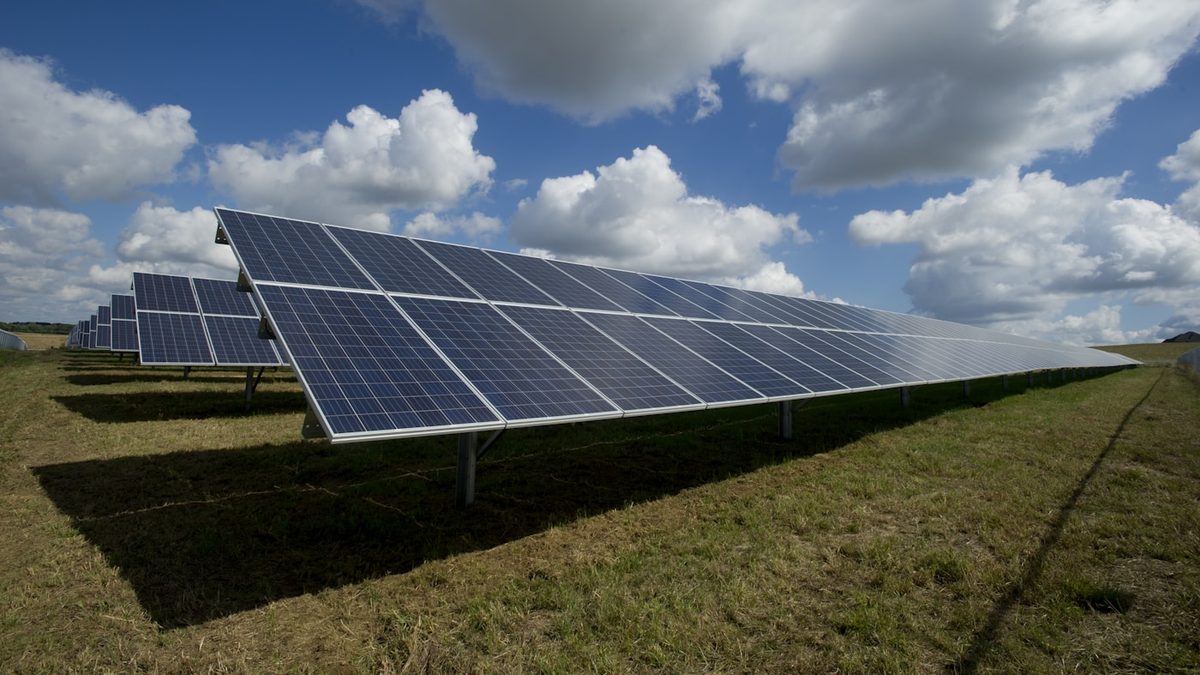
More than 4.3 million Australian households now have rooftop solar, generating over 28 gigawatts of clean energy. Yet nearly one in five solar installations inspected by the Clean Energy Regulator in 2024 were rated substandard. Choosing the wrong installer can mean a system that underperforms for 25 years, voided warranties, and thousands of dollars wasted.
This guide explains how to hire a licensed solar installer in Australia, covering CEC accreditation, Small-scale Technology Certificates (STCs), battery storage, grid connection, costs, and the state-by-state licensing rules you need to know before signing a quote. Search for a licensed solar installer in your area on TradieVerify.
Why You Should Only Hire a Licensed Solar Installer
Solar installation involves electrical work on your roof, connection to the national electricity grid, and handling of equipment worth $5,000 to $25,000. Hiring someone without the right credentials puts your investment at risk.
CEC accreditation is mandatory for rebates. To claim Small-scale Technology Certificates (the federal solar rebate), your system must be designed and installed by a Clean Energy Council (CEC) accredited installer. Without CEC accreditation, you lose the rebate entirely, which is worth approximately $2,500 on a 10kW system.
Electrical licensing is required. Solar installation is classified as electrical work in every state and territory. Your installer must hold a current electrical licence (or work under a licensed electrical contractor) in addition to their CEC accreditation.
Insurance and warranty protection. Home insurance policies can exclude damage caused by unlicensed work. Manufacturer warranties on panels and inverters require installation by a CEC accredited professional. An unlicensed install voids both.
Safety. Solar panels produce DC electricity the moment sunlight hits them. Incorrect wiring, poor earthing, or faulty isolator switches create fire and electrocution risks. A licensed solar installer understands AS/NZS 5033 (solar panel installation) and AS/NZS 4777.2 (grid connection) and is trained to manage these hazards.
Accountability. If something goes wrong, you can lodge complaints through Solar Accreditation Australia (SAA), the CEC, or your state electrical regulator. Unlicensed installers have no registration to trace.
Verify any installer’s credentials on TradieVerify’s search page.
1. Understand CEC Accreditation
The Clean Energy Council (CEC) accreditation scheme is the national standard for solar installers in Australia. It sits on top of state electrical licensing and is administered by Solar Accreditation Australia (SAA).
Why CEC accreditation matters. It is a legal requirement for creating Small-scale Technology Certificates (STCs) under the Small-scale Renewable Energy Scheme (SRES). Without a CEC accredited installer, you cannot claim the federal rebate.
Accreditation categories:
| CEC Accreditation | What It Covers |
|---|---|
| Solar PV Designer | Designs solar PV systems (does not install) |
| Solar PV Installer | Installs solar PV systems up to 100kW |
| Battery Storage Endorsement | Additional endorsement for battery installation |
| Solar PV Designer and Installer | Combined design and installation |
How to verify. Search the SAA online database at Solar Accreditation Australia’s website. Enter the installer’s name or accreditation number. Confirm the accreditation is current and covers the work you need. A licensed solar installer whose accreditation has lapsed cannot create STCs for your system.
CEC-approved products. Your installer must use panels and inverters from the CEC’s approved products list. The list includes over 1,500 panel models and 1,800 inverter models that meet Australian standards. Using non-approved products disqualifies you from STCs.
2. Know How the STC Rebate Works
The STC rebate is the single largest financial incentive for going solar in Australia. Understanding how it works helps you spot installers who inflate prices or misrepresent savings.
What STCs are. Small-scale Technology Certificates are tradeable certificates created when an eligible solar system is installed. Each certificate represents 1 megawatt-hour of renewable electricity the system is expected to produce over its lifetime (calculated in a deeming period to 2030).
How the discount works. Most installers offer a “point of sale discount” where they deduct the STC value from your quote upfront. They then claim the certificates themselves. For a 6.6kW system in Sydney, the STC rebate is approximately $2,000. For a 10kW system, it is approximately $2,500.
What affects STC value:
- System size (larger systems generate more STCs)
- Your postcode zone (sunnier areas create more STCs)
- The current STC trading price (fluctuates, typically $36-$40 per certificate)
- The deeming period (decreases by one year annually until the scheme ends in 2030)
Red flag. If an installer quotes a “government rebate” of $5,000 or more on a standard residential system, they may be inflating the system price to make the discount look larger. Always compare the final out-of-pocket cost across quotes, not the rebate amount.
Browse solar installers on TradieVerify to find CEC accredited professionals in your area.
3. Check Their Licence Before You Pay a Cent
Before signing a quote, verify the installer’s credentials across multiple registers.
What to check:
- CEC accreditation. Search the SAA database to confirm current accreditation as a Solar PV Installer.
- State electrical licence. Verify on TradieVerify or the state electrical safety regulator. The installer (or their supervising electrical contractor) must hold a current electrical contractor licence.
- NETCC approved seller status. If the company sells and installs, check whether they are a New Energy Tech Consumer Code approved seller at newenergytech.org.au. NETCC sellers must follow a code of conduct covering fair sales, clear quotes, and a minimum 5-year workmanship warranty.
- ABN and business registration. Confirm the ABN on the quote matches the business name. Search on ABN Lookup (abr.business.gov.au).
- Insurance. Ask for a certificate of currency for public liability insurance ($5 million to $20 million cover is standard).
Ask for the CEC accreditation number and electrical licence number upfront. Any legitimate licensed solar installer will provide both without hesitation.
4. Understand Battery Storage Before You Add It
Battery storage is increasingly popular but adds significant cost and complexity. A good installer will help you decide whether a battery makes financial sense for your situation.
What batteries do. A home battery stores excess solar energy for use at night or during peak tariff periods. Without a battery, excess solar is exported at 3 to 10 cents per kWh. With a battery, you use that energy yourself instead of buying it back at 25 to 35 cents per kWh.
Typical battery costs (2025-2026):
| Battery | Capacity | Cost Installed (AUD) |
|---|---|---|
| Tesla Powerwall 3 | 13.5 kWh | $12,500 - $16,500 |
| BYD HVS/HVM | 5.1 - 22.1 kWh | $6,000 - $16,000 |
| Sungrow SBR | 9.6 - 25.6 kWh | $8,000 - $15,000 |
| Enphase IQ Battery 5P | 5 kWh (stackable) | $7,000 - $9,000 |
Federal battery rebate. From 1 July 2025, the federal government offers a rebate of approximately 30% of battery cost. For a Tesla Powerwall 3, this is roughly $4,600. State rebates may also apply.
When a battery makes sense. Batteries offer the best return when you have high evening usage, time-of-use tariffs, or frequent outages. A well-sized battery can save $1,000 to $1,500 per year on electricity bills.
CEC battery endorsement. Your installer needs a specific Battery Storage Endorsement on their CEC accreditation to install batteries. Not all solar PV installers hold this endorsement. Check before you commit.
5. Get Three Written Quotes and Compare Properly
Get at least three written quotes from different CEC accredited installers before committing.
What a proper solar quote should include:
- Panel brand, model, wattage, and number of panels
- Inverter brand, model, and capacity
- Total system size in kW
- Estimated annual energy production in kWh
- STC rebate amount (shown as a line item discount)
- Mounting system and roof attachment method
- Switchboard upgrade costs (if required)
- Meter changeover fee (if applicable)
- Timeline for installation and grid connection
- Warranty details for panels, inverter, and workmanship
Compare like for like. Ensure quotes specify the same system size, panel brand, and inverter brand before comparing price. A $4,500 quote with budget panels and a $7,500 quote with premium panels are not comparable.
Watch for exclusions. The cheapest quote often excludes switchboard upgrades ($300-$800), meter changeover ($100-$300), or roof repairs.
6. How Much Does Solar Installation Cost in Australia?
Solar costs depend on system size, component quality, roof type, and your location. Here are typical costs as of 2025-2026, after the STC rebate:
Solar PV system (supply and install, after STC rebate):
| System Size | Cost Range (AUD) |
|---|---|
| 5kW (15-17 panels) | $3,500 - $6,000 |
| 6.6kW (18-22 panels) | $4,500 - $8,000 |
| 10kW (27-33 panels) | $7,000 - $12,000 |
| 13kW+ (35+ panels) | $9,000 - $16,000 |
Factors that increase cost: multi-storey homes, tiled roofs (vs tin), steep pitch, switchboard upgrades, long cable runs, split array designs across multiple roof faces, and remote locations with installer travel fees.
Budget vs premium. Budget panels cost around $130 each while premium panels cost around $290 each. Over a 10kW system (30 panels), that is a $4,800 difference. Premium panels offer better efficiency, longer warranties (25 years vs 10-12 years), and slower degradation.
Benchmark: $1,000 per kW. A 6.6kW system at $6,600 is right on this benchmark. Below $800/kW, question the component quality. Above $1,200/kW, check what premium features justify the price. Sydney and Melbourne are typically 10-20% more than Brisbane or Adelaide.
7. Understand the Grid Connection Process
Your system cannot generate power until it is connected to the grid and your meter records both import and export. A licensed solar installer handles most of this, but knowing the steps helps you avoid delays.
Grid connection steps:
- Pre-approval. Your installer submits a connection application to your DNSP (Distribution Network Service Provider). Systems under 5kW are usually auto-approved. Systems 5-15kW may take 10-25 business days.
- Installation. Panels mounted, inverter installed, system connected to your switchboard.
- Inspection. Certificate of electrical safety issued by the installer or a licensed inspector.
- Meter changeover. Your DNSP arranges a smart meter upgrade if needed. This can take 2-6 weeks.
- Permission to connect. DNSP issues formal approval to export to the grid.
Common delays. Meter changeovers are the most frequent cause of delay (4-6 weeks at some DNSPs). Ask your installer for a timeline that includes the meter swap, not just installation day.
Export limits. Some DNSPs limit exports to 5kW per phase. Your installer should check this before designing the system.
8. Know What You Cannot Do Yourself
Solar installation has strict DIY restrictions in every Australian state and territory.
It is illegal for an unlicensed person to:
- Install solar panels on a roof (electrical work)
- Connect panels to an inverter or switchboard
- Perform any work on the DC or AC wiring of a solar system
- Create STCs for a self-installed system
- Connect a system to the electricity grid
What homeowners CAN legally do: clean panels with water and a soft brush, trim vegetation that shades panels, and monitor system performance through the inverter app.
Consequences of unlicensed work: voided panel and inverter warranties, ineligibility for STCs (losing $2,000+ in rebates), voided home insurance, and fines under state electrical safety legislation.
A common mistake is hiring a handyman to mount panels and then getting an electrician to connect them. This still violates CEC requirements because the entire installation must be completed or supervised by a CEC accredited installer.
9. State-by-State Licensed Solar Installer Guide
Solar installation is regulated through state electrical licensing systems. CEC accreditation is national and sits on top of state requirements. Here is a summary:
| State | Electrical Regulator | Licence Required | Active Licences on TradieVerify | Verify Licences |
|---|---|---|---|---|
| QLD | Electrical Safety Office (ESO) | Electrical Contractor Licence | Coming soon | Browse QLD installers |
| VIC | Energy Safe Victoria (ESV) | Registered Electrical Contractor (REC) | Coming soon | Browse VIC installers |
| NSW | NSW Fair Trading | Electrical Contractor Licence | Coming soon | Browse NSW installers |
| WA | DEMIRS (Building and Energy) | Electrical Contractor Licence (EC) | Coming soon | Browse WA installers |
| SA | Office of the Technical Regulator (OTR) | Electrical Contractor Licence | Coming soon | Browse SA installers |
| ACT | Access Canberra | Electrician Licence | Coming soon | Browse ACT installers |
| TAS | CBOS (Consumer Building and Occupational Services) | Electrical Contractor Licence | Coming soon | Browse TAS installers |
| NT | NT WorkSafe | Electrical Contractor Licence | Coming soon | Browse NT installers |
Key differences between states:
- Queensland requires both an ESO electrical licence and QBCC contractor licence for solar businesses. The QBCC licence provides home warranty insurance cover.
- Victoria has the strongest consumer protection framework for solar through Solar Victoria, including mandatory cooling-off periods and a Solar Panel Validation Initiative.
- New South Wales requires compliance certificates lodged through the BCNSW eCert portal from 2026.
- All states require CEC accreditation on top of the state electrical licence for the installer to create STCs.
10. Red Flags When Hiring a Solar Installer
Watch for these warning signs to avoid substandard installers and solar scams:
- No CEC accreditation number. Every legitimate installer can provide their SAA/CEC accreditation number. If they cannot, they are not accredited.
- Door-to-door or telemarketing sales. The solar industry has a documented problem with high-pressure unsolicited sales. You have a 10 business day cooling-off period for unsolicited sales.
- “Rebate expires tomorrow.” STCs are not a limited-time offer. The scheme runs until 2030. Any installer using urgency around the rebate is using pressure tactics.
- No site visit before quoting. A proper quote requires a roof assessment for orientation, pitch, shading, and condition. Phone-only quotes are guesses.
- Refuses to specify panel and inverter brands. “Tier 1 panels” without a specific brand and model is a red flag. “Tier 1” refers to Bloomberg bankability, not quality.
- Price significantly below market. A 6.6kW system at $3,000 installed likely uses substandard components.
- Subcontracts everything. Ask whether they use in-house installers or subcontractors. Subcontracted work makes warranty claims harder if the subcontractor disappears.
- No written workmanship warranty. NETCC approved sellers must offer at least 5 years. If the installer offers less or nothing in writing, walk away.
Report suspected unlicensed work to your state electrical regulator or Solar Accreditation Australia.
Frequently Asked Questions
How do I check if a solar installer is CEC accredited?
Search the Solar Accreditation Australia (SAA) online database by entering the installer’s name or accreditation number. Confirm the accreditation is current and covers Solar PV Installation. You can also verify their state electrical licence on TradieVerify’s search page. A fully qualified installer holds both CEC accreditation and a current state electrical licence.
How much does a 6.6kW solar system cost in Australia?
A 6.6kW system costs $4,500 to $8,000 supply and installed after the STC rebate. Budget systems start around $4,500 while premium systems with high-efficiency panels cost $6,500 to $8,000. Additional costs may apply for switchboard upgrades and meter changeovers.
What is the STC rebate and how do I claim it?
Small-scale Technology Certificates (STCs) are a federal government incentive under the Renewable Energy Target. Your CEC accredited installer creates the STCs and typically deducts their value from your quote as a point-of-sale discount. For a 6.6kW system, the rebate is approximately $2,000. You do not need to claim it yourself; your installer handles the process.
Should I add a battery to my solar system?
Batteries make financial sense if you have high evening usage, time-of-use tariffs, or frequent outages. A typical home battery costs $8,000 to $16,000 installed. The federal battery rebate from July 2025 covers approximately 30% of the cost. Without the rebate, payback periods are 8-12 years. With the rebate, payback drops to 5-8 years.
How long does solar installation take from quote to power on?
Physical installation takes 1-2 days. The full process from contract to generating power takes 4-8 weeks, including DNSP pre-approval (10-25 business days for systems over 5kW), installation, inspection, and meter changeover (2-6 weeks). Ask your installer for a timeline that includes the meter swap.
Can I install solar panels myself to save money?
No. Solar installation is electrical work and must be performed by a CEC accredited installer. Self-installed systems are ineligible for STCs (losing $2,000+ in rebates), void panel and inverter warranties, and breach state electrical safety laws.
Summary
Hiring a licensed solar installer in Australia comes down to these key steps:
- Verify CEC accreditation on the Solar Accreditation Australia database and state electrical licence on TradieVerify
- Confirm NETCC approved seller status for consumer code protections and minimum 5-year workmanship warranty
- Understand the STC rebate and compare final out-of-pocket costs across quotes, not rebate amounts
- Check battery endorsement if adding battery storage, and confirm the installer holds the CEC Battery Storage Endorsement
- Get three written quotes with specific panel brand, inverter model, system size, and all inclusions
- Ask about grid connection timeline including DNSP pre-approval and meter changeover
- Watch for red flags including door-to-door sales, missing accreditation numbers, and no site visit
With over 4.3 million solar homes in Australia and the STC scheme running until 2030, the demand for licensed solar installers remains strong. Start by searching for a licensed solar installer in your area on TradieVerify and get your system installed by someone with the right credentials and accreditation.
Related Guides
- How Much Does Solar Panel Installation Cost? Full 2025–2026 Price Guide — Our solar installation costs
- How to Hire a Licensed Electrician — Our electrician hiring guide
- End of Financial Year: Tax Deductions for Home Renovations — Our tax deductions for renovations
Sources
- Clean Energy Council: Solar Accreditation Australia, https://saaustralia.com.au/
- Clean Energy Regulator: Small-scale Renewable Energy Scheme, https://cer.gov.au/schemes/renewable-energy-target/small-scale-renewable-energy-scheme
- Australian Government: Warranties and Insurance for Solar, https://www.energy.gov.au/solar/get-know-solar-technology/warranties-and-insurance
- Clean Energy Council: Approved Products List, https://cleanenergycouncil.org.au/industry-programs/products-program
- New Energy Tech Consumer Code, https://www.newenergytech.org.au/
- Solar Victoria: Consumer Protections, https://www.solar.vic.gov.au/consumer-protection
- Clean Energy Regulator: Installation Inspections Data, https://cer.gov.au/schemes/renewable-energy-target/small-scale-renewable-energy-scheme/small-scale-renewable-energy-systems/small-scale-renewable-energy-system-inspections
- Standards Australia: AS/NZS 5033 Installation of Photovoltaic Arrays, https://www.standards.org.au/