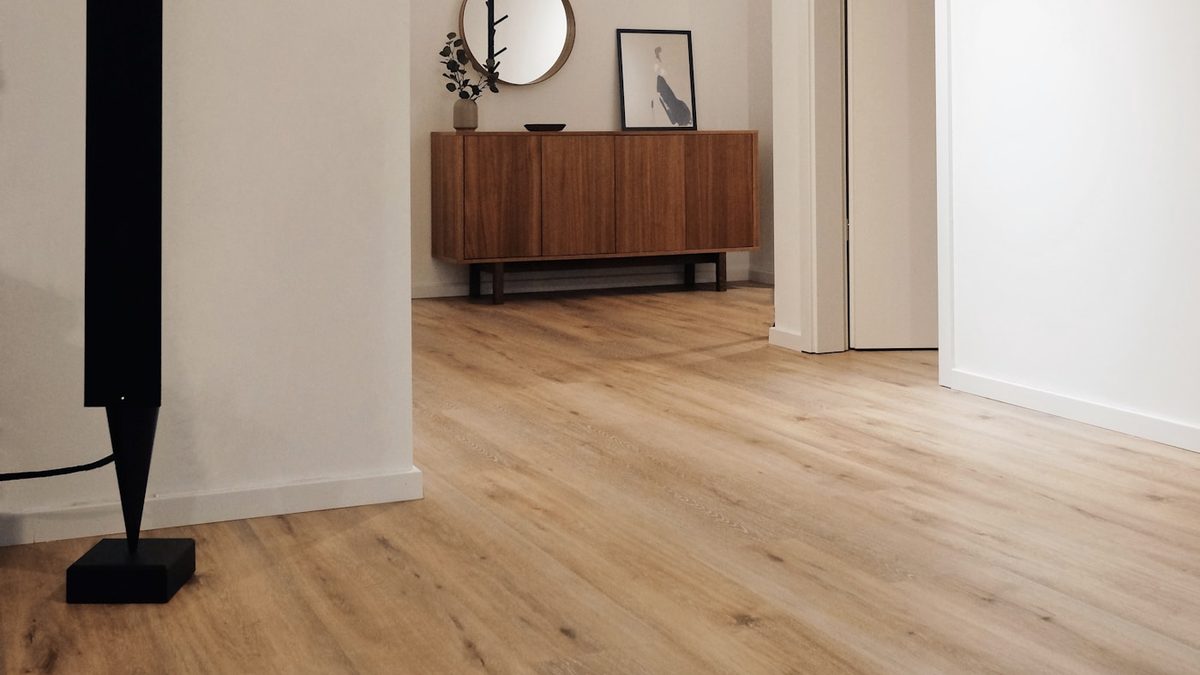
You walk into a newly painted room and something looks off. The walls have a slight ripple under the light, the cornice joins are gapped, and there is a hairline crack running from the window to the ceiling. None of that is the painter’s fault. That is bad plastering showing through, and once the paint is on, the only fix is to strip it back and start again. Plastering is the foundation of every interior finish in your home. It is the surface that paint, wallpaper, and texture coatings all sit on, and the quality of that surface determines how your rooms look for decades. Good plastering is invisible. Bad plastering announces itself under every light, at every angle.
This guide covers how to hire a licensed plasterer in Australia, the different types of plastering work, costs in AUD for 2026, plasterboard finish levels, wet area requirements, state licensing rules, and how to spot both quality work and warning signs. You can verify any plasterer’s licence right now on TradieVerify’s search page.
Why Hiring a Licensed Plasterer Matters
Plastering affects every room in your home. Walls, ceilings, cornices, archways, niches, bulkheads. Every one of those surfaces passes through a plasterer’s hands before any other finishing trade touches them. A painter can only work with the surface they are given. If the plasterboard stopping is rough, the joins are uneven, or the cornice is gapped, no amount of paint will hide it.
Structural and fire safety. Plasterboard is not just a wall covering. It forms part of the fire-rated construction in most Australian homes. Under the Building Code of Australia (BCA), internal walls and ceilings must meet specific fire resistance levels (FRL). A 13mm fire-rated plasterboard sheet on each side of a timber stud wall can provide up to 60 minutes of fire separation. Incorrect installation, missing fire tape, or wrong board thickness can compromise that rating. This is not cosmetic work. It is a safety system.
Wet area compliance. Bathrooms, laundries, and kitchens have specific requirements for moisture-resistant materials under AS 3740. Using standard plasterboard in a wet area is a building defect. It will absorb moisture, swell, grow mould, and eventually collapse. A qualified plasterer knows which boards go where.
Legal requirements. Most Australian states require plasterers to hold a contractor licence or registration for work above a dollar threshold. In Queensland, any plastering work over $3,300 (including GST) requires a QBCC licence. Working without one is an offence, and it leaves you without consumer protections if things go wrong.
Consumer protection. Under Australian Consumer Law, plastering services must be provided with due care and skill, be fit for purpose, and completed within a reasonable time. If your plasterer holds a licence, you can lodge complaints through the state regulator. If they do not hold a licence, your options are limited and expensive. Read more about the risks in our guide on what happens if you hire an unlicensed tradie.
Accountability matters. A licensed plasterer has completed formal training, holds insurance, and is answerable to a regulatory body. That gives you a path to resolution if the work is substandard.
Types of Plastering Work
Plastering is a broad trade. The person who hangs plasterboard in a new build and the person who restores ornamental ceiling roses in a heritage home are both called plasterers, but they use very different skills. Here is a breakdown of the main types of plastering work and when you would need each one.
Plasterboard (Gyprock) installation. This is the most common form of plastering in Australia. Plasterboard sheets (typically 10mm or 13mm thick) are fixed to timber or steel stud frames to form internal walls and ceilings. CSR Gyprock and Knauf are the two main brands in Australia. This work is needed for new builds, extensions, room additions, and internal renovations where walls are moved or added.
Plasterboard stopping and finishing. Once the boards are hung, the joins between sheets need to be taped, filled with jointing compound, sanded, and finished to a specific level. This process is called “stopping” or “flushing.” It typically takes two to three coats of compound with sanding between each coat. The finish level (Level 1 through Level 5) determines how smooth the final surface is. Most residential work calls for Level 4.
Cornice and decorative mouldings. Cornice is the moulding that runs along the junction of wall and ceiling. Common profiles include cove (curved), ornate (patterned), and square-set, also called shadow line, which creates a clean right-angle join with no visible moulding. Cornice installation and repair is a specialist skill because the joins at internal and external corners need to be mitred and finished cleanly.
Solid plastering (wet plastering). Traditional sand and cement render applied to brick, block, or concrete walls. This is the older method of plastering, still used for external walls, retaining walls, and restoration work. It involves applying a base coat (scratch coat), a second coat, and sometimes a finishing coat by hand using a hawk and trowel.
External rendering. A subcategory of solid plastering focused on exterior walls. Options include cement render, acrylic render, polymer-modified render, texture coatings, and bagging. External rendering protects the building envelope and provides the finished appearance of the exterior. Different products suit different climates and substrates.
Patch repairs and restoration. Fixing holes, cracks, water damage, and general wear in existing plasterwork. This includes cutting out damaged sections of plasterboard, installing new pieces, and blending the finish into the surrounding surface. Water damage repairs often involve checking for the source of moisture first.
Ceiling replacement. Removing old ceilings and installing new plasterboard. This is common in older homes where ceilings sag, crack, or contain asbestos-based materials. If your home was built before 1990, an asbestos inspection must be done before any ceiling removal. Asbestos removal requires a separate licensed contractor.
Ornamental and heritage plastering. Ceiling roses, corbels, archways, decorative cornices, and other ornamental features. This is specialist work that requires a plasterer with experience in mould-making and hand-finishing. Heritage restoration work may also need to comply with local council heritage overlay requirements.
How Much Does Plastering Cost in Australia?
Plastering costs vary depending on the type of work, the finish level, ceiling height, access, and your location. Sydney and Melbourne tend to sit at the higher end. Regional areas are generally lower, but availability can push prices up if few plasterers work locally.
Here are typical prices for 2026 across Australian capital cities and major regional centres.
| Work Type | Typical Cost Range |
|---|---|
| Plasterboard supply and install | $35 - $60 per m² |
| Plasterboard stopping only (Level 4) | $15 - $30 per m² |
| Level 5 finish (skim coat) | $20 - $40 per m² |
| Cornice supply and install (cove profile) | $8 - $20 per linear metre |
| Square-set (shadow line) finish | $25 - $50 per linear metre |
| External cement render | $45 - $90 per m² |
| Acrylic render | $50 - $100 per m² |
| Texture coating | $30 - $60 per m² |
| Ceiling replacement (including removal) | $50 - $80 per m² |
| Patch repairs | $150 - $500 per patch |
| Feature wall or niche | $300 - $800 |
| Full house plasterboard (new 3-bedroom) | $15,000 - $30,000 |
| Full house external rendering | $8,000 - $25,000 |
Factors that affect your final price:
- Ceiling height. Standard 2.4m ceilings are the baseline. Anything above 2.7m means scaffolding, longer boards, and more time. Expect a 15-25% premium for high ceilings.
- Access. If the plasterer has to carry sheets up narrow stairs, through tight hallways, or into rooms with limited space, the price goes up. Ground-floor work with drive-in access is cheapest.
- Finish level. A Level 5 skim coat finish costs significantly more than Level 4, because it adds a full extra coat of compound across every surface. See the section below on finish levels.
- Room shape. Rooms with many corners, bulkheads, niches, or angles take longer than simple rectangular spaces. Every corner and edge needs additional taping and finishing.
- Existing surface condition. Plastering over new stud frames is straightforward. Patching into existing walls requires matching the texture and blending the old and new surfaces, which takes skill and time.
For help understanding how plastering costs fit into a larger project, see our guides on bathroom renovation costs and kitchen renovation costs.
Understanding Plasterboard Finish Levels
Most homeowners have never heard of plasterboard finish levels, but this is the single biggest factor in how your painted walls and ceilings will look. The Australian and New Zealand standard AS/NZS 2589 defines five levels of plasterboard finishing.
Level 1 — Fire tape only. Joints are taped and given one coat of compound. No sanding. This is only used in concealed areas like ceiling spaces and above bulkheads where the surface will never be seen. It exists purely to meet fire-rating requirements.
Level 2 — Basic finish. One coat of compound over tape and fastener heads. Minimal sanding. Suitable for garages, storage rooms, and areas that will be covered by tiles or other cladding. You would not paint a Level 2 finish.
Level 3 — Medium finish. Two coats of compound, sanded. Suitable for walls that will receive heavy texture coatings. Not suitable for flat paint or any finish where surface imperfections might show. Sometimes used for rental properties with textured paint.
Level 4 — Standard paint-ready. Three coats of compound, sanded between each coat. This is the standard for residential homes across Australia. It is suitable for flat and low-sheen paints and gives a good result under normal lighting conditions.
Level 5 — Premium skim coat. A Level 4 finish plus a full skim coat of compound across the entire surface, then sanded. This creates a perfectly uniform surface with consistent porosity. Level 5 is specified for high-end finishes, open-plan living areas with downlights, any surface receiving gloss or semi-gloss paint, and feature walls under accent lighting.
The common mistake. A homeowner gets Level 4 finishing (which is standard) and then asks the painter to use semi-gloss paint in their living room. Under the downlights, every slight imperfection and join shows through. The painter gets blamed, but the real issue is that semi-gloss paint on a Level 4 surface will show defects that flat paint would hide. If you plan to use gloss or semi-gloss paint, or if you have a lot of downlights, specify Level 5 from the start. It costs more, but it is cheaper than having the plasterer come back to skim coat after the painting is done.
Ask your plasterer what finish level they will deliver, and get it in writing on the quote.
Wet Area Plastering Requirements
Bathrooms, laundries, and kitchens have specific rules about what materials can be used on walls and ceilings. These rules exist because standard plasterboard fails when exposed to sustained moisture. The paper facing absorbs water, the gypsum core swells, and within months you have mould growth, sagging, and structural damage behind the tiles.
Moisture-resistant plasterboard (green board). For wet areas outside the direct shower zone, moisture-resistant plasterboard must be used. You will hear it called “green board” because of its green paper facing. Both Gyprock Aquachek and Knauf Moistureshield are common products in Australia. Green board has a treated core and water-resistant paper facing that resists moisture absorption.
Fibre cement sheet (Villaboard). Inside shower recesses and directly above baths, fibre cement sheet such as James Hardie Villaboard is the standard. Villaboard does not contain gypsum and will not deteriorate from direct water contact. The Building Code of Australia and AS 3740 specify that substrates in shower areas must be able to withstand prolonged moisture exposure.
What happens if standard plasterboard is used. If a plasterer installs regular plasterboard in your bathroom, it is a building defect. The board will absorb moisture through the tile grout, through any gap in the waterproofing membrane, and from humidity in the room. Within one to three years, you will see bubbling, mould behind tiles, and possible ceiling collapse. The fix is a complete strip-out and redo. This is one of the most expensive plastering mistakes and one of the most common.
Coordination with the waterproofer. The plasterer installs the board. The waterproofer then applies the membrane over the board (and floor) before tiles go on. Your plasterer needs to leave the correct substrate for the waterproofer to work on, and the waterproofing membrane must be applied before any tiling starts. Make sure your plasterer and waterproofer communicate, or use a licensed builder to coordinate the trades. This coordination is something we also cover in our builder hiring guide.
Key takeaway: always confirm with your plasterer that they will use moisture-resistant board (green board) in wet areas and Villaboard or fibre cement in shower recesses. Ask them directly. If they cannot tell you which products they plan to use, find someone who can.
1. Check Their Licence and Qualifications
A qualified plasterer in Australia typically holds one of two trade qualifications:
- Certificate III in Wall and Ceiling Lining (CPC31211 or CPC31220) for plasterboard work, cornicing, and stopping.
- Certificate III in Solid Plastering (CPC32011 or CPC32020) for cement rendering, wet plastering, and external render systems.
Some plasterers hold both, but many specialise in one area. If you need plasterboard work inside and rendering outside, you may need two different tradies or one who is qualified in both.
When a licence is required. Licensing thresholds vary by state (see the state-by-state section below), but as a general rule, any plastering work that forms part of a building contract or exceeds the state threshold amount must be done by a licensed contractor. Small patch jobs may fall below the threshold in some states, but for any full-room or full-house job, a licence is expected.
Contractor vs employee. There is a difference between a plasterer who holds a trade certificate and works as an employee, and a plastering contractor who holds a contractor licence and operates a business. The contractor is responsible for the quality of work, insurance, and compliance. If you hire a business, check the business’s contractor licence, not just the individual tradesperson’s qualification.
How to verify. Search for the plasterer’s licence on TradieVerify. You can search by name, licence number, or business name. The results show licence status, class, and history. You can also check directly with the state regulator.
Ask for their licence number and ABN. Any legitimate plasterer will hand over their licence number without hesitation. Cross-check it. Also verify their Australian Business Number (ABN) on the ABR website to confirm the business is registered and active. No ABN means they may not be declaring the income, and that should concern you.
2. Look at Their Previous Work
Plastering is a trade where the quality is immediately visible under the right light. Ask any prospective plasterer for photos of completed work and in-progress work. In-progress photos are especially telling because they show how the tradesperson handles joins, corners, and finishing before paint covers everything.
What to look for in good plasterwork:
- Straight corners. Internal and external corners should be sharp and consistent. Run your hand along a corner. You should not feel bumps or ripples.
- No visible joins. Plasterboard sheet joins should be completely invisible when painted. If you can see a line where two sheets meet, the stopping was not done properly.
- Consistent texture. The entire wall or ceiling should have a uniform surface texture. Patchy spots or areas that feel different under your hand indicate uneven compound application.
- Clean cornice lines. Cornice should sit tight against the wall and ceiling with no gaps. Mitre joins at corners should be tight and flush.
- No nail pops. Screws or nails pushing through the surface within months of completion are a sign of incorrect fastener depth or the wrong type of fastener.
Visit a current job site. If you can, ask to see a job they are currently working on. Look at how they protect the rest of the house from dust, how they store materials, and how clean their work area is. A tidy site usually means a careful worker.
Good plasterwork should be invisible when painted. That is the test. If you notice the plastering after the painter has finished, something was done poorly.
3. Get Multiple Quotes
Get at least three written quotes before choosing a plasterer. This gives you a sense of the market rate in your area and helps you spot outliers, both high and low.
What the quote should include:
- Total area to be plastered in square metres (m²)
- Finish level (Level 4 or Level 5)
- Material brand (Gyprock, Knauf, or other)
- Cornice type and profile (cove, ornate, square-set)
- Whether prep work is included (removing old plasterboard, stripping wallpaper)
- Cleanup and dust management
- Timeline (start date and estimated completion)
- Payment terms and schedule
Fixed price is preferred. Plastering lends itself well to fixed-price quoting because the scope can be measured accurately. A plasterer can measure the rooms, count the square metres of wall and ceiling, note the linear metres of cornice, and give you a firm number. Be wary of hourly rates for large jobs, because you have no control over how long the work takes.
Compare like for like. Make sure all three quotes are based on the same scope, the same finish level, and the same materials. A quote that is $5,000 cheaper might be specifying Level 3 finish while the others quote Level 4. For more detail on reading quotes, see our guide on how to read and compare trade quotes.
4. Ask the Right Questions
Before you sign a contract or pay a deposit, have a direct conversation with the plasterer. The answers they give will tell you a lot about their professionalism and experience.
Questions to ask:
- What finish level will you deliver? They should answer confidently. If they do not know what finish levels are, that is a problem.
- What brand of plasterboard do you use? Gyprock and Knauf are industry standard. Some plasterers use cheaper imported board. Ask why.
- How do you handle joints and corners? Paper tape is the standard for joints. Fibreglass mesh tape is acceptable for some applications but less strong at corners. Metal corner bead should be used on all external corners.
- Do you do the sanding, or is that separate? Some plasterers subcontract the sanding. You need to know who is responsible for the finished surface.
- Who cleans up the dust? Plaster dust gets into everything. A good plasterer will seal off the work area with plastic sheeting and clean up at the end of each day. Ask what their dust management process is.
- What is your warranty on the work? Most quality plasterers will offer a 12-month defects warranty on their workmanship. Some offer longer. Get it in writing.
- Have you done wet area work? If your job involves bathrooms or laundries, confirm they know the correct materials and processes for wet areas.
- Can I see a job you completed 12 months ago? New plasterwork looks great. The test is how it looks after a year. Cracks, nail pops, and tape lifting show up within the first 12 months if the work was substandard.
For a broader checklist, see our guide on 10 questions to ask before hiring any tradie.
5. Verify Insurance
Before any work starts on your property, confirm the plasterer holds adequate insurance.
Public liability insurance. This covers damage to your property caused during the work. If a plasterer drops a scaffold plank through your floor, or a stilts-mounted worker puts a hole in a finished wall, public liability insurance pays for the repair. A minimum of $5 million cover is standard in the industry, and $10 million is common for commercial work.
Workers compensation insurance. If the plasterer employs staff or subcontractors, they must hold workers compensation insurance in every Australian state. If a worker is injured on your property and the business does not have workers compensation, you may be exposed to a claim.
Certificate of currency. Ask for a copy of the current insurance certificate. Check the insurer name, the policy number, the coverage amount, and the expiry date. A certificate of currency is a standard document that any insured tradesperson can produce on request. If they say they “have insurance” but cannot produce the certificate, treat that as a red flag.
Why this matters for you. If an uninsured plasterer damages your property or a worker is injured on your site, you may be left covering costs out of your own pocket. Insurance is not optional. It is a cost of doing business, and every legitimate plastering contractor carries it.
External Rendering: What to Know
External rendering is a category of plastering that deserves its own section because the materials, techniques, and cost are quite different from internal plasterboard work.
Types of external render:
- Cement render. The traditional option. A mix of sand, cement, and lime applied in two or three coats. It is hard, durable, and can be painted any colour. Cement render is prone to hairline cracking over time, which is normal and usually cosmetic. Lifespan: 20-30 years.
- Acrylic render. A flexible, polymer-based render that resists cracking better than cement. It comes in a wide range of pre-mixed colours, so you may not need to paint it. Acrylic is easier to maintain and clean. Lifespan: 15-25 years.
- Polymer-modified render. A hybrid of cement and acrylic. Offers better flexibility than straight cement render but at a lower cost than full acrylic. Good for areas with moderate movement.
- Lime render. Used primarily in heritage restoration. Lime render is softer and more breathable than cement, which is important for older solid-brick buildings that need to release moisture through the walls. Not common in new builds.
Preparation. The existing wall surface must be clean, free of loose material, and properly keyed (roughened) before render is applied. Some substrates need a bonding agent or primer. Rendering over painted surfaces without proper preparation will fail, often peeling off in sheets within a year.
Expansion joints. For large rendered areas, expansion joints (also called control joints) must be installed to allow for thermal movement. Without them, the render will crack as the building expands and contracts with temperature changes. Your renderer should plan the joint locations before starting.
Colour options. Cement render is typically painted after curing (which takes about 28 days). Acrylic render can have colour mixed into the product itself (integral colour), meaning no painting is required. Integral colour is more expensive but saves the cost of painting and repainting over time.
Weather during application. Render should not be applied in extreme heat (above 35°C), direct sun, rain, or frost. The curing process requires consistent moisture levels. A good renderer will schedule the work around the weather forecast and may wet the surface or use curing compounds in hot conditions.
Maintenance. Acrylic render can be cleaned with a pressure washer on a low setting. Cement render should be repainted every 7-10 years. Any cracks should be filled before repainting to prevent water ingress. If you are planning to render your home’s exterior, factor ongoing maintenance into your budget.
DIY vs Professional Plastering
Plastering is one of those trades that looks easier than it is. The tools are simple. The materials are available at Bunnings. But the skill required to produce a paint-ready surface is years in the making.
What you can do yourself:
- Small patch repairs (fist-sized holes or smaller) using a pre-mixed patching compound and a wide knife.
- Touching up minor nail pops by re-driving the fastener and applying compound.
- Repainting already-finished plasterboard surfaces.
What needs a professional:
- Full rooms or full house plasterboard installation and stopping.
- Wet area work (bathroom, laundry, kitchen) where incorrect materials create a building defect.
- Cornice installation, especially mitred corners and joins.
- External rendering of any kind.
- Ceiling replacement, especially if asbestos is suspected.
- Any work that is part of a building approval or inspection process.
Risks of DIY plastering:
- Visible joins. Getting a flat, invisible join between plasterboard sheets requires three coats of compound, correct tape embedding, and careful sanding. Most DIY attempts show the join clearly under paint.
- Nail pops. Using the wrong fastener type or depth means screws will push through the surface over time.
- Incorrect materials in wet areas. Using standard plasterboard in a bathroom is a building defect that will cause water damage.
- Poor cornice work. Mitring cornice at corners requires specific tools and technique. A bad mitre join is painfully obvious in a finished room.
Cost comparison. A DIY patch repair might cost $30 in materials. Having a professional do the same patch costs $150-$500 depending on size and access. But a full room of DIY plasterboard that needs to be redone by a professional costs more than getting it right the first time. For most plastering work, hiring a qualified tradesperson is the better investment.
State-by-State Licensing for Plasterers
Licensing requirements for plasterers vary across Australian states and territories. Here is a summary for 2026.
| State/Territory | Regulator | Licence Required? | Threshold | Notes |
|---|---|---|---|---|
| QLD | QBCC | Yes | Work over $3,300 (incl. GST) | Separate classes for wall/ceiling lining and solid plastering |
| NSW | Fair Trading / Building Commission NSW | Yes | Work over $5,000 | Specialist work licence or contractor licence |
| VIC | Victorian Building Authority (VBA) | Yes (registration) | Domestic work over $10,000 | Registered building practitioner required |
| WA | DMIRS / Building Services Board | Yes (registration) | Work over $20,000 | Builder registration covers plastering work |
| SA | Consumer and Business Services (CBS) | Yes | Building work over $12,000 | Builder licence or trade contractor registration |
| TAS | Consumer, Building and Occupational Services (CBOS) | Varies | Depends on work type | Licence required for building work |
| ACT | Access Canberra | Varies | Depends on work class | Builder licence may be required for structural work |
| NT | Building Practitioners Board | Varies | Depends on work type | Building practitioner registration for regulated work |
Queensland has the most structured system for plasterers. The QBCC issues specific licence classes including “Wall and Ceiling Lining” and “Solid Plastering,” so you can verify exactly what type of plastering work a contractor is licensed to perform.
New South Wales recently restructured its building licensing under the Building Commission NSW. Plastering contractors need a licence for specialist work above the threshold. Check the current requirements on the Service NSW website.
Victoria requires registration as a building practitioner for domestic work over $10,000. Plastering that forms part of a larger renovation (which it usually does) is typically covered under the builder’s registration rather than a standalone licence.
Western Australia sets the threshold at $20,000 for builder registration. For smaller plastering jobs, there is no specific licensing requirement, but you should still check for qualifications and insurance.
Always verify your plasterer’s credentials on TradieVerify before hiring.
Red Flags When Hiring a Plasterer
Watch for these warning signs during the quoting process or once work has started.
Skipping sanding between coats. Proper stopping requires sanding between each coat of jointing compound. If the plasterer applies multiple coats without sanding, the finish will be rough and uneven. You can tell by running your hand over the surface. It should feel smooth, like paper.
Not using paper tape on joins. Paper tape is the Australian standard for plasterboard joints. Some plasterers try to save time by using only self-adhesive fibreglass mesh tape, which is weaker and more prone to cracking over joins. Paper tape should be bedded into the first coat of compound.
Using standard plasterboard in wet areas. If you see white-faced plasterboard going up in your bathroom or laundry, stop the job immediately. Wet areas require green moisture-resistant board, and shower recesses need fibre cement (Villaboard). This is a building defect.
No dust protection. Plaster sanding produces extremely fine dust that settles on everything. A professional plasterer will seal off the work area with plastic sheeting, cover floors, and ideally use a vacuum sander. If your plasterer starts sanding with the rest of the house wide open, your belongings will be coated in white dust.
Rushing the job. Jointing compound needs drying time between coats. Depending on the product and conditions, that is typically 12-24 hours per coat. If a plasterer offers to do a full room in one day including three coats of stopping, the compound is not drying properly and the finish will crack or shrink.
No written quote. Any professional plasterer should provide a written quote detailing scope, materials, finish level, timeline, and price. A verbal quote or a price scribbled on the back of a business card is not acceptable for work costing thousands of dollars. Read more about what a proper quote looks like in our quotes guide.
Refusing to specify a finish level. If the plasterer says “standard finish” but will not commit to Level 4 or Level 5 in writing, you have no way to hold them accountable for the quality of the result.
Frequently Asked Questions
How much does it cost to plaster a room in Australia?
The cost to plaster a standard bedroom (approximately 12-15m² floor area) including walls and ceiling is typically $2,000 to $4,500 for plasterboard supply, installation, and Level 4 stopping. This varies by ceiling height, access, and location. A larger living area or open-plan space costs more due to the increased wall and ceiling area. Cornice is usually quoted separately at $8-$20 per linear metre for a standard cove profile.
What is the difference between a plasterer and a renderer?
A plasterer who specialises in plasterboard (also called a “fibrous plasterer” or “wall and ceiling liner”) works with manufactured board products, jointing compounds, and cornices inside a building. A renderer (also called a “solid plasterer”) applies sand, cement, and acrylic mixtures to external brick, block, or concrete walls. Both are called plasterers, but the qualifications and techniques are different. Some tradies do both, but many specialise in one area.
Do I need a licensed plasterer in Australia?
It depends on the value and type of work, and which state you are in. In Queensland, any plastering work over $3,300 requires a QBCC-licensed contractor. In NSW, the threshold is $5,000. In Victoria, domestic building work over $10,000 needs a registered building practitioner. For small patch repairs below the threshold, a licence may not be legally required, but using a qualified and insured plasterer is still strongly recommended. Check your state’s rules in the table above.
How long does plastering take?
A single room (walls and ceiling) typically takes 2-3 days for plasterboard installation, plus 3-5 days for stopping (including drying time between coats). A full 3-bedroom house can take 2-4 weeks for complete plasterboard and stopping. External rendering for a whole house takes 1-3 weeks depending on size and the number of coats. Weather delays can add time to rendering jobs.
What is square-set plastering?
Square-set, also called shadow line, is a finish where the wall meets the ceiling at a clean right angle with no cornice. Instead of installing a cornice moulding, the plasterer finishes the wall-ceiling junction with compound to create a sharp 90-degree edge. It gives a modern, minimalist look popular in contemporary homes. Square-set is more labour-intensive than standard cornice because achieving a perfectly straight, clean line along every wall requires significant skill. It costs $25-$50 per linear metre, compared to $8-$20 per linear metre for standard cove cornice.
Can I plaster over existing plaster?
In many cases, yes. If the existing plaster is sound, firmly attached, and not moisture-damaged, a plasterer can skim coat over the top to create a fresh surface. Loose, crumbling, or water-damaged plaster must be removed first. Old textured ceilings (like popcorn or stipple finishes) can sometimes be skim coated if the texture is well adhered, but many plasterers prefer to remove the texture first for a better result. If the existing plaster or texture was applied before 1990, test for asbestos before any sanding or scraping.
What is the best plasterboard for bathrooms?
Moisture-resistant plasterboard (green board) such as Gyprock Aquachek or Knauf Moistureshield is required for bathroom walls and ceilings outside the shower area. Inside shower recesses and directly above baths, fibre cement sheet (such as James Hardie Villaboard) is the standard because it will not deteriorate from direct water contact. Standard white plasterboard should never be used in any bathroom.
How do I fix cracked plaster myself?
For hairline cracks, apply a flexible filler (such as Selleys No More Cracks) with a putty knife, let it dry, sand it smooth, and repaint. For larger cracks or recurring cracks, you may need to cut a V-groove along the crack, apply paper tape with jointing compound, and finish with two coats of compound. Recurring cracks in the same spot often indicate structural movement, and you should have the cause investigated before repairing the surface. If the crack is wider than 2-3mm or runs along a structural line, call a professional.
Summary
Hiring a licensed plasterer in Australia comes down to a few key steps. Check their licence and qualifications using TradieVerify before you sign anything. Understand the type of work you need so you hire the right specialist, whether that is plasterboard lining, solid plastering, rendering, or heritage restoration. Specify the finish level in writing and know that Level 5 is worth the extra cost if you are using gloss paint or have feature lighting. Confirm wet area materials are correct for bathrooms and laundries. Get three written quotes, compare them on a like-for-like basis, and ask the right questions before committing.
Good plastering is the foundation that every other interior finish depends on. Take the time to find a qualified, licensed professional and your walls, ceilings, and rendered surfaces will look right for years.
Search for a licensed plasterer in your area on TradieVerify.
For more trade hiring advice, see our guides on hiring a licensed builder, hiring a licensed painter, and understanding tradie payment terms.
Sources
- Queensland Building and Construction Commission (QBCC) — Licence classes and thresholds. qbcc.qld.gov.au
- Australian Standard AS/NZS 2589:2017 — Gypsum linings: Application and finishing. Standards Australia.
- Australian Standard AS 3740:2021 — Waterproofing of domestic wet areas. Standards Australia.
- Building Code of Australia (BCA) / National Construction Code (NCC) — Fire resistance levels and wet area provisions. ncc.abcb.gov.au
- Victorian Building Authority (VBA) — Building practitioner registration. vba.vic.gov.au
- NSW Building Commission — Contractor licensing requirements. nsw.gov.au/building-commissioner
- CSR Gyprock — Plasterboard product specifications and installation guides. gyprock.com.au
- Safe Work Australia — Asbestos identification and management in residential buildings. safeworkaustralia.gov.au