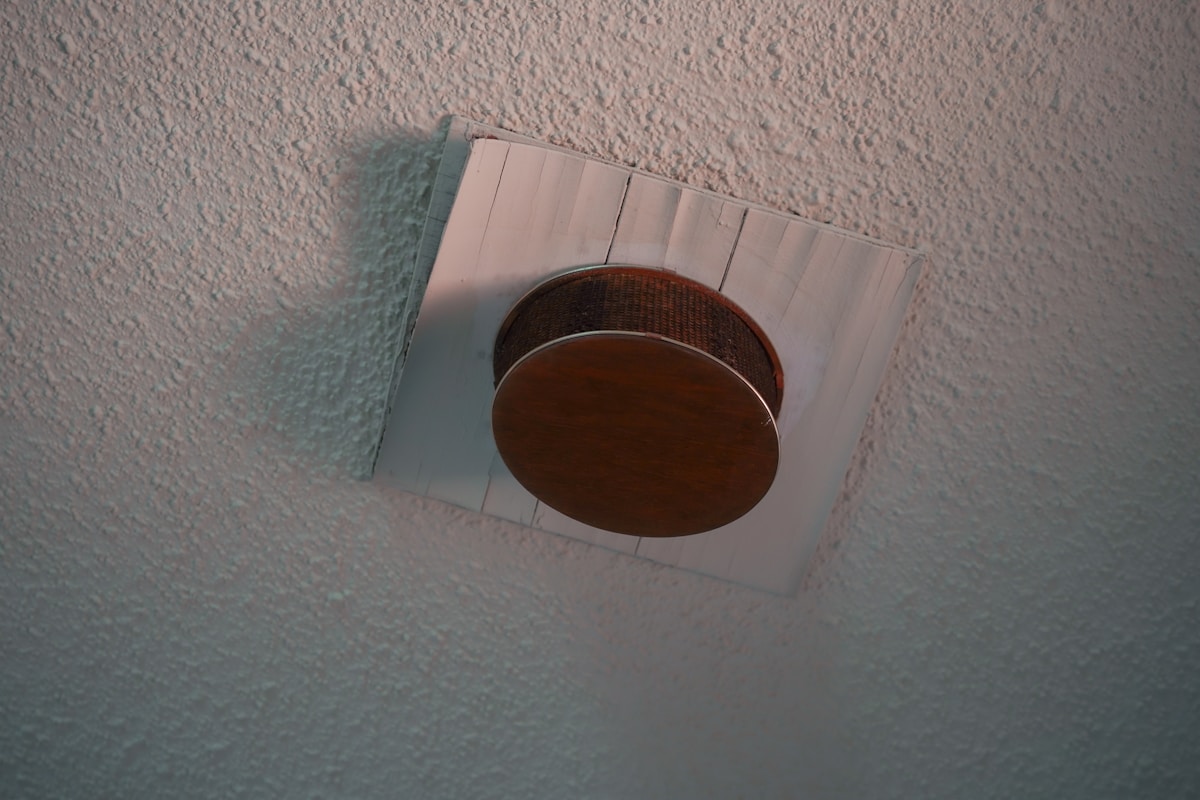
Queensland has the toughest fire protection licensing rules in Australia. The QBCC regulates six separate licence streams for fire protection work, and the state’s smoke alarm laws are the strictest in the country. If you are a QLD homeowner, landlord or body corporate manager, choosing the right licensed fire protection technician is not optional — it is a legal requirement.
There are currently 3,775 actively licensed fire protection technicians operating in Queensland, making it the most regulated state for this trade. This guide covers how to find a qualified professional, what QBCC licence to look for, how to prepare for the 2027 smoke alarm deadline and what everything costs.
What Fire Protection Technicians Do in Queensland
Fire protection technicians in Queensland work across a broad range of systems that keep buildings safe from fire. Unlike other states where fire protection falls loosely under electrical or plumbing licences, Queensland requires specific QBCC fire protection licensing for each type of work.
The main services a QLD fire protection technician provides include:
- Smoke alarms and fire detection systems — installing, testing and replacing smoke detectors, heat detectors and interconnected alarm networks to meet QLD’s strict legislation
- Fire alarm and warning systems — designing, installing and maintaining monitored fire alarm panels for commercial and residential buildings
- Fire extinguishers, hose reels and fire blankets — supply, installation and six-monthly servicing under Australian Standard AS1851
- Water-based fire suppression — sprinkler systems for residential, commercial and industrial buildings, including bushfire sprinklers in BAL-rated areas
- Passive fire protection — fire doors, fire shutters, fire-rated walls and ceilings, penetration sealing with fire collars, and smoke containment systems
- Emergency and exit lighting — installation, inspection and testing of illuminated exit signs and emergency lighting
- Special hazard systems — gaseous suppression systems for server rooms, commercial kitchens and other specialist environments
- Fire safety assessments — building inspections, compliance reporting and fire safety professional services
You can search for licensed fire protection technicians in Queensland on TradieVerify to find verified professionals in your area.
Understanding QBCC Fire Protection Licences
Queensland’s fire protection licensing framework is the most detailed in Australia. The QBCC introduced a reformed system on 1 May 2021 that organises fire protection work into six distinct streams. Each stream has its own licence classes, and a technician must hold the correct licence for the specific work they perform.
The Six QBCC Licence Streams
1. Passive Fire Protection Stream Covers fire doors, fire shutters, fire collars, penetration sealing, fire-rated walls and ceilings. There are separate licence classes for certification, installation and maintenance, and inspection and testing. In our database, 445 technicians hold passive stream inspect-and-test licences, with a further 71 licensed specifically for fire door and shutter work.
2. Electrical Fire Protection Stream Covers fire alarm systems and emergency lighting. Includes separate classes for design, certification, installation, maintenance, and inspect-and-test. This is the largest stream — 591 technicians hold fire detection and alarm system licences, and 536 hold electrical stream install-and-maintain licences for fire alarms.
3. Water-Based Fire System Stream Covers fire sprinkler design, certification, installation and maintenance. Includes a general licence and restricted licences for commercial/industrial or domestic/residential work only. There are 54 certified and 44 general install-and-maintain licence holders in this stream.
4. Portables Stream Covers portable fire equipment like extinguishers, fire blankets and hose reels. Includes certification and install-and-maintain classes. A total of 451 technicians hold portables install-and-maintain licences in Queensland.
5. Special Hazard Fire System Stream Covers gaseous suppression systems and other special hazard equipment. Includes certification and install-and-maintain classes. There are 202 technicians licensed in this stream.
6. Fire Safety Professional A standalone licence for professionals who provide fire safety assessments, compliance advice and fire engineering services. There are 52 fire safety professionals licensed in Queensland.
Why This Matters When Hiring
When you hire a fire protection technician in QLD, make sure their QBCC licence covers the specific work you need. A technician licensed for portable fire equipment cannot legally install a fire alarm system. A passive fire protection specialist cannot certify a sprinkler system. Ask for the licence number and verify it on the QBCC register or through TradieVerify’s search.
Recent Licensing Changes
The QBCC extended upskilling deadlines in March 2025. Builders and employees now have until 1 May 2030 to meet updated fire protection licensing requirements. This extension does not change the rules for standalone fire protection contractors, who must already hold the correct licence for their scope of work.
The 2027 Smoke Alarm Deadline: What QLD Homeowners Must Do
Queensland’s smoke alarm legislation is rolling out in stages, and the final deadline affects every homeowner in the state.
The Timeline
- 1 January 2017 — New legislation passed requiring all smoke alarms to comply with Australian Standard AS3786-2014
- 1 January 2022 — All homes being sold or leased must have fully compliant interconnected photoelectric smoke alarms
- 1 January 2027 — All remaining owner-occupied homes must comply
What Compliance Looks Like
To meet QLD requirements by 1 January 2027, your home must have:
- Photoelectric smoke alarms only — ionisation alarms are no longer accepted
- Interconnected alarms — when one alarm sounds, all alarms in the home activate together
- Alarms in every bedroom — not just hallways
- Alarms in hallways connecting bedrooms to the rest of the home
- Alarms on every level of the home
- Hardwired or 10-year non-removable battery — no replaceable battery units
- Compliance with AS3786-2014 — check the label on the alarm
What This Means in Practice
For a typical 3-bedroom Queensland home, you will likely need 4 to 6 interconnected smoke alarms: one in each bedroom, one in the connecting hallway, and one on each additional level. If your home currently has older ionisation alarms or standalone battery units, they all need replacing.
Hardwired interconnected systems require a licensed electrician or fire protection technician with the correct electrical stream QBCC licence. Wireless interconnected systems can sometimes be installed without electrical work, but a licensed technician should still assess your home and provide a compliance certificate.
Penalties
Property owners who fail to comply face infringement notices from Queensland Fire Department inspectors. For landlords and sellers, non-compliance has been enforceable since 2022. Owner-occupiers have until 1 January 2027 before enforcement begins.
Do not wait until December 2026 to book a technician. As the deadline approaches, licensed fire protection technicians in Queensland will be in high demand. Getting ahead of the rush will save you money and stress.
How to Verify a Fire Protection Technician’s QBCC Licence
Checking credentials in Queensland is straightforward because the QBCC maintains a public licence register. Here is the process.
Step 1: Ask for their QBCC licence number. A licensed fire protection technician will have this ready. If they hesitate or claim they do not need one, that is a red flag.
Step 2: Search the QBCC register. Go to the QBCC licence search and enter their name or licence number. The register will show their licence class, financial status (whether they are current) and any disciplinary history.
Step 3: Check the licence stream matches your job. If you need smoke alarm installation, look for an electrical stream licence (install and maintain — fire alarm systems). For extinguisher servicing, look for a portables stream licence. For fire door work, look for a passive stream licence for doors and shutters.
Step 4: Verify on TradieVerify. You can also search for the technician on TradieVerify to see their licence details and the specific QBCC licence classes they hold.
Step 5: Check insurance. Ask for a current certificate of currency for public liability insurance. A minimum of $5 million cover is standard for fire protection contractors. Our guide on verifying a tradesperson’s insurance explains what to look for.
Where to Find Fire Protection Technicians in Queensland
TradieVerify tracks 3,775 licensed fire protection technicians across Queensland. The highest concentrations are in the following areas:
| Area | Region | Licensed Technicians |
|---|---|---|
| Murarrie, Salisbury, Rocklea | Brisbane South/East | 134 |
| Shailer Park, Loganholme, Underwood | Logan/South Brisbane | 115 |
| Paget | Mackay | 65 |
| Garbutt, Bungalow | Townsville/Cairns | 94 |
| Capalaba | Redlands/Bayside | 32 |
| Molendinar, Southport | Gold Coast | 52 |
| Kawana | Sunshine Coast | 28 |
Most fire protection businesses operate from industrial and commercial areas but service the surrounding residential suburbs. When getting quotes, ask about travel charges if you are outside their usual service area.
Browse fire protection technicians in Queensland on TradieVerify to find licensed professionals near your suburb.
How Much Do Fire Protection Services Cost in Queensland?
Here are typical rates for common fire protection services in Queensland. Prices are in AUD and include GST.
Smoke Alarm Services
| Service | Typical Cost (QLD) |
|---|---|
| Photoelectric smoke alarm (supply and install, battery) | $50 - $100 per unit |
| Hardwired photoelectric alarm (supply and install) | $100 - $250 per unit |
| Wireless interconnected system (3-bedroom home) | $500 - $900 |
| Hardwired interconnected system (3-bedroom home) | $800 - $1,500 |
| 2027 compliance upgrade (typical 3-bed home, 4-6 alarms) | $600 - $1,500 |
| Annual compliance inspection (rental property) | $100 - $250 |
Fire Extinguisher and Portable Equipment
| Service | Typical Cost (QLD) |
|---|---|
| Fire extinguisher (supply and install) | $80 - $200 per unit |
| Six-monthly tag and test (per extinguisher) | ~$20 per unit |
| Five-yearly pressure test or replacement | $50 - $120 per unit |
| Fire blanket (supply and install) | $40 - $80 |
| Hose reel service | $30 - $60 per unit |
Larger Systems and Professional Services
| Service | Typical Cost (QLD) |
|---|---|
| Fire alarm system (small commercial) | $1,000 - $5,000+ |
| Water-based sprinkler system (residential) | $3,000 - $10,000+ |
| Bushfire sprinkler system (BAL-rated area) | $3,000 - $15,000+ |
| Passive fire protection (fire door install) | $500 - $2,000 per door |
| Fire safety assessment (residential/strata) | $200 - $500 |
| Fire protection technician hourly rate | $50 - $150 per hour |
For the 2027 smoke alarm upgrade, expect to pay between $600 and $1,500 for a standard 3-bedroom home. Larger homes or those needing new electrical wiring for hardwired systems will sit at the higher end.
Get quotes from at least three licensed fire protection technicians before committing. Our guide on getting quotes from tradies walks you through the process.
Types of Fire Protection Work Homeowners Need in Queensland
As a QLD homeowner, landlord or property manager, several fire protection services are directly relevant to you.
2027 smoke alarm upgrade. This is the big one. If your home has ionisation alarms, standalone battery units or alarms that are not interconnected, you need a licensed fire protection technician to assess your home and install a compliant system before 1 January 2027. Do not leave it until the last minute.
Rental property compliance. QLD landlords have been required to provide compliant interconnected smoke alarms since 1 January 2022. If you are renting out a property, a fire protection technician can run an annual compliance check, service existing alarms, replace expired units and provide documentation for your property manager.
Bushfire protection. Parts of Queensland fall within bushfire-prone areas with BAL (Bushfire Attack Level) ratings. Homes in these zones may benefit from dedicated bushfire sprinkler systems designed and installed by a technician with a water-based fire system licence. Check our bushfire season preparation guide for more information.
Body corporate and strata buildings. Units, apartments and townhouse complexes have fire safety obligations in common areas. The body corporate must maintain fire hydrants, hose reels, sprinkler systems, fire doors, fire indicator panels and emergency lighting. A licensed fire protection technician inspects these systems routinely under AS1851 and provides compliance records.
Home renovations. Any renovation that adds bedrooms, changes room layouts or modifies electrical systems will likely trigger updated smoke alarm requirements under QLD legislation. A fire protection technician can advise on what is needed and install compliant systems as part of the build. Make sure your builder coordinates with a licensed fire protection specialist, not just a general electrician.
Fire extinguisher servicing. While not legally required in private homes, fire extinguishers are recommended by Queensland Fire Department for every household. Under AS1851, they need six-monthly inspections and five-yearly pressure testing. A portables stream licence holder handles this.
Questions to Ask Before Hiring in Queensland
These questions will help you sort the professionals from the pretenders.
-
What is your QBCC licence number and which stream are you licensed in? Verify the number on the QBCC register or on TradieVerify. Make sure the licence covers your specific job.
-
Do you hold public liability insurance? Ask for a current certificate of currency. $5 million minimum is standard for fire protection contractors in QLD.
-
Will you provide a compliance certificate? For smoke alarm work, you need documentation proving your alarms meet AS3786-2014 and QLD legislation. For other fire equipment, you need service tags and compliance records per AS1851. This paperwork is your proof for insurance and legal purposes.
-
Are you a member of FPA Australia? The Fire Protection Association Australia is the peak industry body. Membership shows ongoing professional development and adherence to industry standards. It is a good sign but not mandatory.
-
What is the full scope of work and what is included in the quote? Get a written quote listing every alarm, extinguisher or piece of equipment to be supplied, along with labour costs and any travel charges. Verbal quotes leave you exposed.
-
Can you assess my whole property for fire compliance? A thorough technician will check your entire home against QLD requirements, not just fix the one issue you called about. This is especially valuable ahead of the 2027 deadline.
-
How do you handle disposal of old equipment? Expired fire extinguishers and old smoke alarms need proper disposal. A professional should manage this as part of the job.
Red Flags When Hiring in Queensland
Watch out for these warning signs before engaging a fire protection technician.
No QBCC licence number. In Queensland, fire protection work requires a specific QBCC licence. “I’m just an electrician” is not sufficient for most fire protection tasks. If they cannot provide a licence number from the correct stream, do not hire them.
Licence does not match the work. A technician with a portables licence cannot legally install fire alarm systems. A passive fire specialist cannot certify a sprinkler system. Always check the licence stream matches your job.
No written quote. A professional fire protection technician provides a detailed written quote. If they only give verbal estimates, you have no recourse when the final bill is different from what was discussed.
Pressure to over-service. Some operators push expensive monitoring contracts or premium equipment when basic compliant gear is all you need. A $50 photoelectric smoke alarm meets the same legal standard as a $200 one. Get a second opinion if the quote feels inflated.
No compliance certificate after the work. If a technician finishes a smoke alarm install or extinguisher service and cannot hand you a compliance certificate or service tag, the job is not properly done.
Near-expired equipment. Smoke alarms and fire extinguishers have manufacturing dates and expiry periods. Check the date on anything supplied. A dodgy operator might install units with only a few years left and charge full price.
If you encounter an unlicensed operator performing fire protection work in QLD, you can report them to the QBCC. Read our guide on what happens if you hire an unlicensed tradie to understand the risks.
Frequently Asked Questions
Do I need a licensed fire protection technician to install smoke alarms in QLD?
If you are installing hardwired or interconnected smoke alarms, yes. Hardwired systems require a licensed electrician or a fire protection technician with the QBCC electrical stream licence. Even wireless interconnected systems should be assessed and certified by a licensed professional to ensure they meet AS3786-2014 and QLD legislation. You can replace a simple battery-powered alarm yourself, but those no longer meet QLD requirements for most homes approaching the 2027 deadline.
What happens if I miss the 2027 smoke alarm deadline?
From 1 January 2027, Queensland Fire Department inspectors can issue infringement notices to owner-occupiers whose homes do not have compliant interconnected photoelectric smoke alarms. Penalties have not been finalised at the time of writing, but landlords have been subject to enforcement since 2022 and fines apply. Beyond the legal risk, non-compliant smoke alarms put your household at genuine risk — interconnected alarms give everyone in the home earlier warning.
How much does it cost to upgrade smoke alarms for 2027 compliance?
For a typical 3-bedroom Queensland home needing 4 to 6 interconnected photoelectric alarms, expect to pay between $600 and $1,500. Wireless interconnected systems sit at the lower end ($500 to $900), while hardwired systems requiring new cabling cost more ($800 to $1,500). Larger homes or those with difficult wiring access will be at the top of the range. Get quotes from at least three QBCC-licensed technicians.
What is the difference between the six QBCC fire protection licence streams?
The six streams cover different types of fire protection work: passive (fire doors, walls, sealing), electrical (fire alarms, emergency lighting), water-based (sprinklers), portables (extinguishers, blankets, hose reels), special hazard (gaseous suppression), and fire safety professional (assessments and compliance). Each stream has its own licence classes for design, certification, installation and maintenance. A technician must hold the correct licence for the specific work you need done.
How do I find a licensed fire protection technician near me in QLD?
Start by searching on TradieVerify where you can look up licensed fire protection technicians by name or location across Queensland. You can also check the QBCC licence register directly, contact FPA Australia for member referrals, or ask your real estate agent or body corporate manager for recommendations. Always verify the QBCC licence number before hiring.
Summary and Key Takeaways
- Queensland has 3,775 licensed fire protection technicians regulated by the QBCC across six licence streams. Always check that the licence stream matches the work you need.
- The 1 January 2027 deadline requires all QLD owner-occupied homes to have interconnected photoelectric smoke alarms in every bedroom, connecting hallways and on every level.
- Upgrading a typical 3-bedroom home costs $600 to $1,500 depending on whether you choose wireless or hardwired interconnected systems.
- Verify every technician’s QBCC licence number on the QBCC register or through TradieVerify before hiring. Ask for public liability insurance and a compliance certificate after the work.
- Do not wait until late 2026 to book your upgrade. Licensed fire protection technicians will be in high demand as the deadline approaches.
- The top areas for fire protection technicians in QLD are the Brisbane south corridor (Murarrie, Salisbury, Shailer Park), North Queensland (Garbutt, Paget) and the Gold Coast (Molendinar, Southport).
- For rental properties, compliance has been required since 2022. If your rental is not yet upgraded, act now.
Ready to find a licensed fire protection technician in Queensland? Search for QBCC-licensed fire protection professionals on TradieVerify and verify their credentials before you hire.
Sources
- QBCC — Fire Protection Licences
- QBCC — New Fire Protection Licence Framework
- QBCC — Fire Protection Upskilling Requirements
- Queensland Fire Department — Smoke Alarms
- QLD Department of Housing — Fire Protection Licensing Changes
- Fire Protection Association Australia
- Jobs and Skills Australia — Fire Protection Equipment Technicians
- Smoke Alarm Solutions — QLD 2027 Compliance Guide