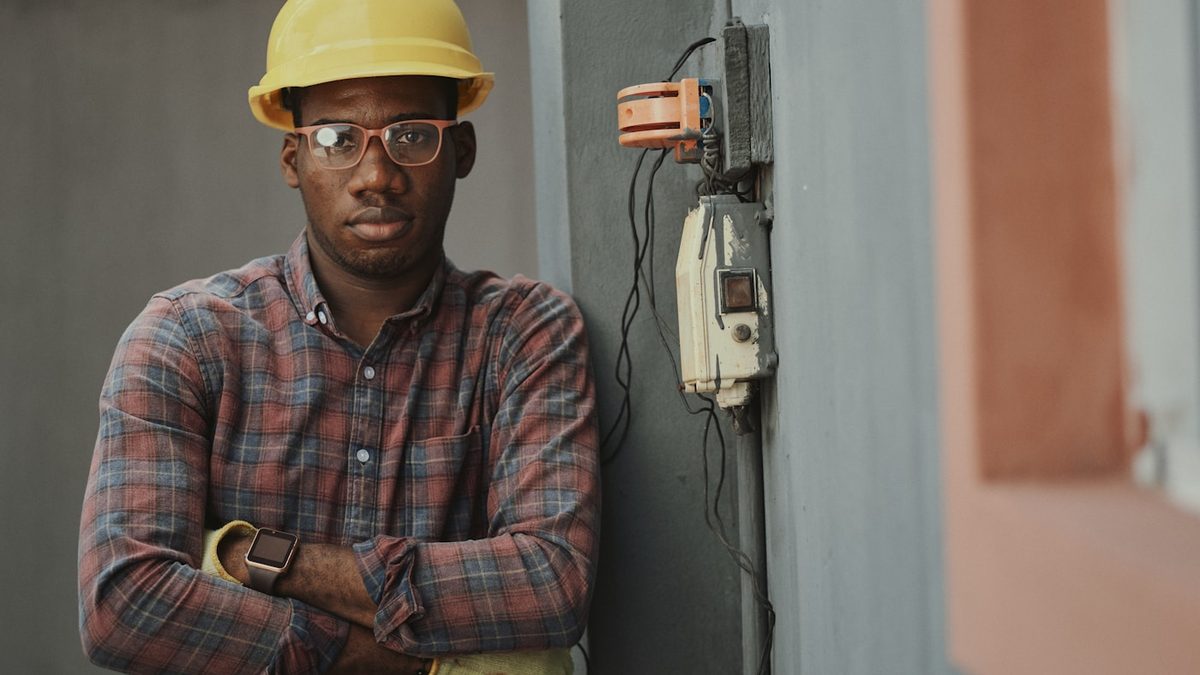
Flickering lights. A power point that sparks when you plug in the kettle. A safety switch that trips every time you run the dishwasher. Electrical problems in the home are not just annoying, they are genuinely dangerous. Faulty wiring is one of the leading causes of house fires in Australia, and electrical injuries can be fatal.
Australia has over 5,100 licensed electricians listed on TradieVerify in the ACT alone, with data from other states being added regularly. But finding the right electrician for your job takes more than a quick search. This guide walks you through how to hire a licensed electrician in Australia, from checking licences and understanding costs to knowing what questions to ask before any work begins.
Why You Should Only Hire a Licensed Electrician
In every Australian state and territory, electrical work is classified as high-risk regulated work. It is illegal for anyone without a current electrical licence to carry out electrical work for payment. The penalties are steep, and the risks are real.
Legal protection. Licensed electricians must complete a Certificate III in Electrotechnology Electrician (UEE30820) and a minimum four-year apprenticeship before they can work independently. Their work must comply with the AS/NZS 3000 Wiring Rules, the national standard governing all electrical installations in Australia.
Insurance coverage. If an unlicensed person does electrical work on your property and a fire breaks out or someone is electrocuted, your home insurance may refuse the claim entirely. Licensed electricians carry public liability insurance and professional indemnity cover, which protects you if something goes wrong.
Accountability. Licensed electricians are registered with their state’s electrical safety regulator. If there is a dispute or the work is faulty, you have a formal complaints process. An unlicensed worker has no registration to trace and no regulator to answer to.
Compliance certificates. After completing electrical work, a licensed electrician must issue a Certificate of Compliance (or equivalent). This legally confirms the work meets Australian Standards. Without it, you may have problems selling your home or making insurance claims down the track.
You can verify any licensed electrician’s credentials on TradieVerify’s search page.
1. Understand What Type of Electrician You Need
Not all electricians do the same work. Australian electrical licences come in different classes and endorsements that define what an electrician is qualified to do. The main categories are:
- Domestic electrician. Handles residential wiring, power point installation, lighting, switchboard upgrades, and safety switch installation.
- Commercial electrician. Works on offices, retail premises, and commercial buildings, typically involving three-phase power and more complex electrical systems.
- Industrial electrician. Specialises in factories, manufacturing plants, and heavy machinery, including motor control systems and programmable logic controllers.
- Solar electrician. Holds additional Clean Energy Council (CEC) accreditation to design and install solar PV systems. If you are getting solar panels, your electrician must be CEC-accredited for you to claim Small-scale Technology Certificates (STCs) rebates.
- Data and communications electrician. Installs structured cabling, data points, and communications infrastructure. Requires separate registration with the ACMA (Australian Communications and Media Authority).
When you call an electrician, describe your job clearly and ask whether it falls within their licence class and endorsements. A domestic electrician may not be the right choice for a commercial fit-out, and a general electrician may not hold the CEC accreditation needed for solar work.
Browse licensed electricians in the ACT to see what a verified electrician listing looks like on TradieVerify.
2. Know the Difference Between Restricted and Unrestricted Licences
This is something unique to electrical licensing that most homeowners do not know about. There are two broad licence categories:
Unrestricted electrical licence. This is what most people think of as a “qualified electrician.” Holders can perform any electrical work that is not otherwise restricted by law. They have completed the full electrotechnology apprenticeship and hold the appropriate licence class for their state.
Restricted electrical licence. This is held by tradespeople from other fields, such as plumbers, air-conditioning technicians, and gasfitters, who need to perform specific electrical tasks as part of their primary trade. A plumber with a restricted electrical licence can connect and disconnect a hot water system, but they cannot rewire your house or install a new switchboard.
Why this matters to you. If you need general electrical work done, always hire someone with an unrestricted electrical licence. A restricted licence holder is only authorised for specific, limited electrical tasks related to their primary trade.
You can check the licence type on TradieVerify or your state’s electrical regulator website.
3. Check Their Licence Before You Hire
This is the single most important step. Before agreeing to any work, verify the electrician’s licence. Every state has a public register, and you can search across states on TradieVerify.
Here is what to check:
- Licence status. Is it current and active, or has it expired, been suspended, or cancelled?
- Licence class. Does it cover the type of work you need? In most states, there is a distinction between an electrical worker licence (tradesperson who performs the work) and an electrical contractor licence (business that can contract to do electrical work).
- Endorsements. If you need specialist work like disconnect/reconnect of metering equipment, or work on energised (live) electrical equipment, confirm the electrician holds the right endorsements.
- Business details. Does the licence match the business name and ABN they have given you?
Ask for the licence number upfront. Any legitimate electrician will provide it without hesitation. If someone refuses or says their licence is “being renewed,” do not proceed.
4. Get at Least Three Written Quotes
The standard advice in Australia is to get three quotes before committing to any tradesperson. For electrical work, this is especially important because pricing varies widely between operators and regions.
What a good quote should include:
- A clear description of the electrical work to be performed
- Itemised costs for labour and materials
- Whether GST is included (it must be for businesses turning over more than $75,000)
- A timeline for completion
- Payment terms (avoid anyone who demands full payment upfront)
- Any exclusions or potential additional costs, such as switchboard upgrades required to support new circuits
Watch for vague quotes. A quote that says “electrical work - $500” without detail tells you nothing. You want to know exactly what circuits are being installed, what materials are being used, and what is included in the price.
Fixed price vs hourly rate. For defined jobs like installing downlights or adding power points, a fixed-price quote gives you certainty. For diagnostic work (like tracking down a fault), an hourly rate with a capped maximum is reasonable. Always ask for the cap.
5. Verify Their Insurance and Accreditations
A licensed electrician should carry at minimum:
- Public liability insurance. Covers damage to your property or injury caused during the work (typically $5 to $20 million cover).
- Professional indemnity insurance. Covers claims arising from faulty advice or work.
- Workers’ compensation. Required if they have employees.
Ask for a Certificate of Currency. This is a one-page document from their insurer confirming active coverage. A reputable licensed electrician will have this ready to provide.
For solar installations, also verify the electrician’s CEC accreditation number. The Clean Energy Council maintains a public register of accredited installers. Without valid CEC accreditation, your solar installation will not be eligible for government rebates, and the workmanship warranty through the CEC will not apply.
6. Ask the Right Questions Before Work Starts
Before you hire a licensed electrician, have a direct conversation to assess their suitability. Here are the questions that matter:
- “How long have you been working as an electrician?” Experience matters, particularly for older homes with legacy wiring systems.
- “Have you done this type of job before?” You want someone familiar with your specific issue, whether it is a switchboard upgrade, solar installation, or rewiring.
- “What is your call-out fee?” Call-out fees range from $80 to $150, and policies differ on whether it includes the first 30 minutes of work.
- “Will you provide a Certificate of Compliance?” This is a legal requirement. If an electrician says they do not provide one, walk away immediately.
- “What warranty do you offer on the work?” Most electricians offer a 12-month workmanship warranty on top of your statutory rights under Australian Consumer Law.
- “Will the work require a switchboard upgrade?” Older homes often have ceramic fuse boards that cannot handle additional circuits. A switchboard upgrade adds $800 to $2,500 to the job, and it is better to know upfront.
- “Do you do the work yourself, or will you send an apprentice?” Apprentices must work under direct supervision. Make sure a licensed electrician will be on-site at all times.
If a licensed electrician is reluctant to answer these questions or gets defensive, consider it a warning sign and look elsewhere.
7. Understand How Much a Licensed Electrician Costs in Australia
Rates for a licensed electrician vary by location, job type, and urgency. Here are typical costs as of 2025-2026:
| Service | Typical Cost (AUD) |
|---|---|
| Standard hourly rate | $80 – $130/hr |
| Call-out fee | $80 – $150 |
| After-hours/emergency hourly rate | $150 – $250+/hr |
| Power point installation (per point) | $150 – $300 |
| Light fitting installation (per fitting) | $100 – $250 |
| Ceiling fan installation | $200 – $450 |
| Switchboard upgrade (ceramic to modern) | $800 – $2,500 |
| Safety switch (RCD) installation | $180 – $350 |
| Smoke alarm installation (hardwired) | $150 – $300 |
| Full house rewire (3-bed home) | $8,000 – $20,000 |
| Solar panel system (6.6kW, supply + install) | $4,000 – $9,000 |
| EV charger installation | $1,000 – $3,000 |
| Fault finding and diagnostics | $150 – $350 |
Factors that affect pricing:
- Location. Metro rates tend to be higher than regional areas. Sydney averages $100 to $130 per hour, while Melbourne sits around $85 to $105 per hour and Brisbane around $90 to $110 per hour.
- Urgency. After-hours and weekend rates are typically 1.5x to 2x standard rates. Emergency call-outs often carry a minimum charge of $250 to $400.
- Access. Ceiling cavities, sub-floor spaces, and multi-storey buildings add time and cost due to the difficulty of running cables.
- Age of the home. Older homes with outdated wiring (like VIR or TPS cabling) are more complex and expensive to work on. A switchboard upgrade may be required before any new circuits can be added.
Always ask whether the quoted price includes GST. Registered businesses must charge GST and provide a tax invoice.
8. State-by-State Electrical Licensing Guide
Each Australian state and territory has its own electrical safety regulator. Here is a summary with real licence counts from the TradieVerify database:
| State | Regulator | Active Licensed Electricians on TradieVerify | Verify Licences |
|---|---|---|---|
| ACT | Access Canberra | 5,115 | Browse ACT electricians |
| QLD | Electrical Safety Office (WorkSafe QLD) | Coming soon | Browse QLD electricians |
| NSW | Building Commission NSW | Coming soon | Browse NSW electricians |
| VIC | Energy Safe Victoria | Coming soon | Browse VIC electricians |
| SA | Consumer and Business Services (CBS) | Coming soon | Browse SA electricians |
| WA | Electrical Licensing Board (DEMIRS) | Coming soon | Browse WA electricians |
| TAS | Dept. of Justice | Coming soon | Browse TAS electricians |
| NT | NT WorkSafe | Coming soon | Browse NT electricians |
Key differences between states:
- Queensland issues electrical work licences through the Electrical Safety Office under WorkSafe QLD. Licence classes include electrical worker, electrical contractor, and electrical mechanic. Queensland also has a separate licensing regime for line workers.
- NSW uses the Building Commission NSW to issue electrical licences. Categories include Qualified Supervisor Certificate and Endorsed Contractor Licence. All electrical work must have a Certificate of Compliance for Electrical Work (CCEW) lodged after completion.
- Victoria is regulated by Energy Safe Victoria. Electricians need an A-grade electrician’s licence to work independently. Victoria requires a Certificate of Electrical Safety (COES) for all prescribed electrical work, with penalties of up to $1,000 per offence for non-compliance.
- ACT requires electricians to be licensed through Access Canberra. The ACT maintains one of the most accessible public licence registers in Australia, with over 5,100 active electricians currently listed on TradieVerify.
9. Understand Safety Certificates and RCD Testing
Electrical work in Australia comes with specific safety documentation requirements that protect you as a homeowner.
Certificates of Compliance. After completing electrical work, the electrician must issue a certificate confirming the work meets Australian Standards. The name varies by state: Certificate of Compliance for Electrical Work (CCEW) in NSW, Certificate of Electrical Safety (COES) in Victoria, and Certificate of Testing and Compliance in Queensland. Always ask for your copy and keep it with your property records.
Safety switches (RCDs). Residual Current Devices, commonly called safety switches, are required in all Australian homes. They cut the power in milliseconds if they detect current leaking to earth, which can happen when a person touches a live wire. Since 2000, new homes in most states must have RCDs on all circuits, not just power circuits.
RCD testing. Under AS/NZS 3760:2022, safety switches should be push-button tested every three months by the homeowner (press the test button on the switchboard). Professional RCD testing by a licensed electrician is recommended every 12 to 24 months for residential properties, particularly for older installations.
Smoke alarm compliance. Legislation around smoke alarms has changed significantly in recent years, particularly in Queensland. From 1 January 2027, all Queensland dwellings must have interconnected, photoelectric smoke alarms in every bedroom, hallway, and on each level. A licensed electrician is required to install hardwired, interconnected smoke alarms.
If an electrician completes work without providing a compliance certificate, report them to your state regulator. It is a legal requirement, not optional.
10. Red Flags to Watch For
Protect yourself by knowing the warning signs of a dodgy electrician:
- No licence number provided. A licensed electrician will display their licence number on quotes, invoices, vehicles, and advertising. It is a legal requirement in most states.
- Cash-only payments with no invoice. This likely means they are not registered for GST and may not be licensed.
- No compliance certificate. Any electrician who says they “don’t bother” with certificates is breaking the law. Walk away.
- Pressure to decide immediately. A good licensed electrician will not pressure you into signing on the spot.
- No written quote. Verbal agreements are difficult to enforce if something goes wrong.
- Extremely low quotes. If one quote is dramatically lower than others, question why. Cheap electrical work can mean corners cut, which creates fire and safety risks.
- No insurance documentation. Any electrician who cannot produce a Certificate of Currency is a risk you should not take.
- Unlabelled work. A licensed electrician will label every circuit in your switchboard after completing work. If the circuits are not labelled, the work was likely done by someone unqualified.
- Not testing after installation. A licensed electrician will always test their work with calibrated instruments before leaving. If they finish the job and leave without testing, something is wrong.
If you suspect someone is operating without a licence, report them to your state’s electrical safety regulator. Unlicensed electrical work is not just illegal, it is genuinely life-threatening.
Frequently Asked Questions
How do I check if an electrician is licensed in Australia?
You can search for any electrician’s licence on TradieVerify’s search page, which aggregates licence data from state regulators across Australia. Each state also has its own register: WorkSafe QLD for Queensland, Building Commission NSW for New South Wales, Energy Safe Victoria for Victoria, and Access Canberra for the ACT. Ask the electrician for their licence number and verify it before any work begins.
How much does a licensed electrician charge per hour in Australia?
Most licensed electricians in Australia charge between $80 and $130 per hour for standard work during business hours. Call-out fees range from $80 to $150. After-hours and emergency rates are higher, typically $150 to $250 or more per hour. Rates vary by city, with Sydney tending towards the higher end and regional areas often more affordable.
Can I do my own electrical work in Australia?
No. Unlike plumbing, where minor maintenance tasks are permitted, almost all electrical work in Australia must be performed by a licensed electrician. The only exception is very minor tasks like changing a light bulb or replacing a plug on an appliance cord (and even this varies by state). Installing a power point, changing a light switch, or any work on fixed wiring is illegal without a licence. Penalties range from fines of several thousand dollars to imprisonment for serious offences.
What is the difference between an electrical worker licence and an electrical contractor licence?
An electrical worker licence (or tradesperson licence) allows an individual to physically perform electrical work. An electrical contractor licence allows a person or business to contract to do electrical work, meaning they can advertise, quote, and accept payment for electrical services. A sole trader electrician typically needs both. If you are hiring a business, confirm they hold a valid electrical contractor licence as well as employing licensed electrical workers.
Do electricians need to provide a compliance certificate?
Yes. In every Australian state and territory, a licensed electrician is legally required to issue a compliance certificate after completing electrical work. In NSW it is called a Certificate of Compliance for Electrical Work (CCEW), in Victoria it is a Certificate of Electrical Safety (COES), and in Queensland it is a Certificate of Testing and Compliance. Always ask for your copy. Failure to provide one is an offence, and you should report it to your state regulator.
Should I get my home’s electrical system inspected regularly?
There is no legal requirement for routine electrical inspections of owner-occupied homes, but it is strongly recommended. A licensed electrician can perform a safety inspection every five to ten years to identify potential hazards like deteriorating wiring, overloaded circuits, and missing safety switches. If you are buying a property, commissioning a pre-purchase electrical inspection from a licensed electrician is a smart investment. They can assess the condition of the wiring, switchboard, and safety devices and provide a written report.
Summary
Hiring a licensed electrician in Australia comes down to a few key steps:
- Verify the licence on TradieVerify or the relevant state register before agreeing to any work
- Get three written quotes with itemised breakdowns of labour and materials
- Confirm insurance by asking for a Certificate of Currency
- Check for the right licence type. Make sure they hold an unrestricted electrical licence for general electrical work, and CEC accreditation if you need solar installation
- Demand a compliance certificate after every job, as it is a legal requirement in all states
- Know your rights under Australian Consumer Law, including your entitlement to remedies for faulty work
- Report unlicensed operators to your state’s electrical safety regulator
With over 5,100 licensed electricians listed in the ACT and data from other states being added, finding the right tradesperson starts with a simple licence check. Search for licensed electricians in your area on TradieVerify and take the guesswork out of hiring.
Related Guides
- Understanding Electrical Licensing Requirements Across Australia — Our electrical licensing guide
- How Much Does Electrical Rewiring Cost? Full 2025–2026 Price Guide — Our electrical rewiring costs
- How to Prepare Your Home for an Electrician Visit — Our electrician visit preparation checklist
Sources
- AS/NZS 3000 Wiring Rules — Standards Australia, https://www.standards.org.au/
- Electrical Safety Office — WorkSafe Queensland, https://www.worksafe.qld.gov.au/licensing-and-registrations/electrical-licences
- Energy Safe Victoria — Electrical Licensing, https://www.energysafe.vic.gov.au/licensing/electrical-licences
- NSW Government — Electrical Compliance Requirements, https://www.nsw.gov.au/housing-and-construction/compliance-and-regulation/electricians/electrical-compliance-requirements
- Access Canberra — Electrical Licensing, https://www.accesscanberra.act.gov.au/
- Clean Energy Council — Accredited Installers, https://www.cleanenergycouncil.org.au/
- Electrical Regulatory Authorities Council (ERAC) — Licensing, https://www.erac.gov.au/licensing/
- Australian Consumer Law — Consumer Guarantees on Services, https://consumer.gov.au/