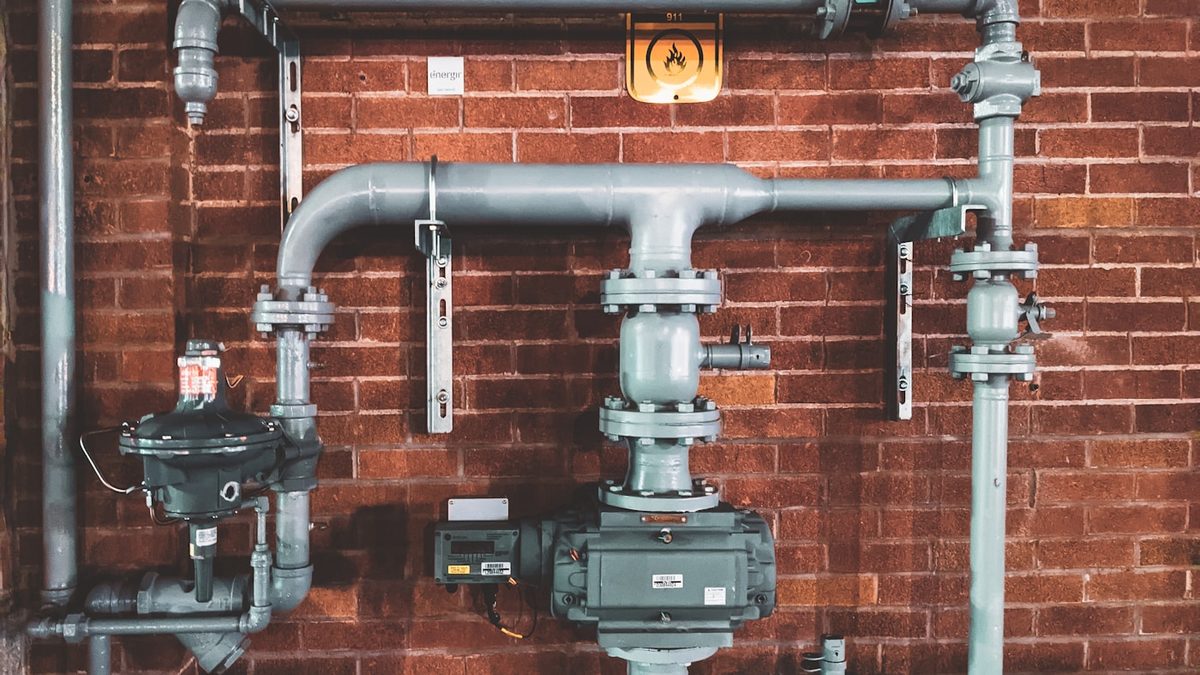
Plumbing rough-in is one of the largest single-trade costs in any new home build, yet one of the least understood. The pipes hidden inside your walls and under your slab determine whether your finishes work properly for decades. The national average plumbing rough-in cost for a new home in Australia sits between $8,000 and $15,000 for a standard three to four bedroom house with two bathrooms, but the real figure depends on your floor plan, pipe material, hot water system, and location. This guide breaks down every component so you can budget accurately before your slab is poured.
What Is Plumbing Rough-In?
Plumbing rough-in (also called first fix plumbing) is the stage where all pipes, drains, vents, and hot water connections are installed before wall linings go up and floor coverings go down. It happens in two phases.
Under-slab work takes place before the concrete slab is poured. Your licensed plumber lays sewer drainage pipes, stormwater connections, and water supply risers into trenches beneath the slab. Once concrete is poured, these pipes are locked in position permanently.
In-wall and in-ceiling work happens after the frame is erected but before plasterboard is installed. The plumber runs hot and cold water lines, waste pipes, and vent stacks through wall cavities and ceiling spaces to every wet area.
A separate stage called fit-off (second fix) happens later when the plumber connects taps, toilets, sinks, and appliances to the rough-in pipework. Fit-off is quoted separately and is not covered in this guide.
How Much Does Plumbing Rough-In Cost? The Short Answer
The total plumbing rough-in cost for a new home in Australia ranges from roughly $8,000 to $20,000 or more. Here is how the three main budget tiers compare for a single-storey home with standard wet areas.
| Budget Tier | Total Cost Range | What You Get |
|---|---|---|
| Budget | $8,000–$12,000 | Standard 3-bedroom home with 1 bathroom, 1 ensuite, laundry, and kitchen. Basic copper or PEX pipework. Electric storage hot water. Short sewer run to street connection. |
| Mid-range | $12,000–$18,000 | 4-bedroom home with 2 bathrooms, ensuite, separate toilet, laundry, and kitchen. PEX or copper pipework. Gas or heat pump hot water. Moderate sewer and stormwater runs. |
| Premium | $18,000–$30,000+ | Large or double-storey home with 3+ bathrooms, butler’s pantry, outdoor kitchen, hydronic heating pre-pipe. Long service runs, complex drainage, or difficult site conditions. |
These ranges cover labour and materials for rough-in pipework only. Fixtures, appliances, fit-off labour, and water authority connection fees are covered separately below.
Plumbing Rough-In Cost by Room
Breaking costs down by room shows which parts of your floor plan drive the budget.
| Room | Rough-In Cost Range (AUD) | Fixtures Included |
|---|---|---|
| Bathroom (standard) | $3,000–$6,000 | Toilet, shower, basin. Hot and cold supply, waste, and vent for each fixture. Tiler and waterproofer work around these positions. |
| Ensuite | $2,500–$5,000 | Toilet, shower, basin. Typically shorter pipe runs due to proximity to main bathroom. |
| Kitchen | $2,000–$5,000 | Sink (hot and cold supply, waste), dishwasher connection, gas line (if applicable), fridge water line. |
| Laundry | $1,500–$3,000 | Washing machine taps (hot and cold), trough, floor waste. |
| Separate toilet / powder room | $800–$1,500 | Toilet and basin. Minimal pipework if close to main stack. |
| Outdoor kitchen or BBQ area | $1,000–$3,000 | Sink, gas line, drainage. Distance from house increases cost. |
These per-room estimates help you calculate the total for your specific floor plan. A home with three bathrooms, a kitchen, and a laundry will cost significantly more than a granny flat with a single bathroom and kitchenette.
Factors That Affect Plumbing Rough-In Cost
Every new build is different. These eight factors have the biggest impact on your rough-in budget.
1. Number of Wet Areas
Each bathroom, kitchen, or laundry requires its own supply lines, waste pipes, and vents. Adding a third bathroom can increase the total by $3,000 to $6,000.
2. Floor Plan Layout
Wet areas sharing common walls (back-to-back bathrooms, kitchen next to laundry) keep pipe runs short. Spread-out layouts with bathrooms at opposite ends require longer runs and more materials. A well-designed layout can save $2,000 to $4,000.
3. Single-Storey vs Double-Storey
Double-storey homes cost 20 to 40 percent more because pipework must run vertically through the floor structure built by your carpenter. Upper-floor bathrooms need additional waste pipes, vents, and fire-collar penetrations. Expect an extra $3,000 to $6,000 compared to a single-storey equivalent.
4. Pipe Material
The three common pipe materials in Australian residential plumbing have different cost profiles.
| Material | Cost Per Metre (Supply) | Pros | Cons |
|---|---|---|---|
| PEX (cross-linked polyethylene) | $8–$15 | Flexible, fast to install, fewer joints, corrosion-resistant | Not suitable for outdoor or UV-exposed locations |
| Copper | $15–$30 | Long lifespan (50+ years), recyclable, proven track record | Higher material and labour cost, can corrode in acidic water |
| CPVC | $10–$18 | Cheaper than copper, suitable for hot and cold water | More brittle than PEX, limited flexibility |
PEX has become the dominant choice for new builds because it is faster to install (reducing labour costs by 20 to 30 percent compared to copper) and requires fewer joints. Drainage pipes are typically PVC regardless of supply pipe material.
5. Hot Water System Type
Different hot water systems require different pipework configurations, affecting rough-in costs.
| System Type | Rough-In Impact | Typical System Cost |
|---|---|---|
| Electric storage | Simplest rough-in. Single cold supply, single hot outlet. Needs electrician for dedicated circuit. | $800–$1,500 |
| Gas storage / instantaneous | Requires gas line run from meter. Flue or exhaust vent routing. | $1,500–$3,500 |
| Heat pump | Outdoor unit placement, condensate drain, longer pipe runs possible. | $3,000–$5,500 |
| Solar thermal | Roof-mounted panel connections, header tank, circulation pipework. | $4,000–$7,000 |
Gas systems require a licensed gasfitter in addition to the plumber, adding $500 to $1,500 for gas line installation.
6. Site Conditions
Rocky ground, high water tables, steep blocks, and reactive clay soils add complexity to under-slab work. Rock can add $1,000 to $3,000 for mechanical excavation. Reactive clay may require deeper drainage and flexible joints.
7. Sewer and Water Connection Distance
Every additional metre of sewer pipe run adds $80 to $150 in materials and labour. Properties on large blocks or rear lots can face connection runs of 20 to 40 metres, adding $2,000 to $5,000.
8. Your Location in Australia
Sydney and Melbourne plumbers typically charge 10 to 20 percent more than the national average. Regional areas may have lower hourly rates but higher travel charges and limited tradesperson availability.
Itemised Cost Breakdown by Component
Understanding where your money goes helps you evaluate quotes and spot missing items. Here is a typical breakdown for a mid-range four-bedroom, two-bathroom single-storey home.
| Component | Cost Range (AUD) | Notes |
|---|---|---|
| Under-slab drainage (sewer and stormwater) | $2,500–$5,000 | PVC drainage pipes, inspection points, connections to sewer main. Must be inspected before slab pour. |
| Water supply pipework (hot and cold) | $2,000–$4,500 | PEX or copper runs from meter to every fixture. Includes valves, manifolds, and insulation on hot lines. |
| Waste and vent pipework (in-wall) | $1,500–$3,500 | PVC waste pipes and vent stacks through wall cavities and ceiling space. |
| Hot water system rough-in | $500–$1,500 | Pipework connections for hot water unit. Excludes the unit itself. Gas line extra if applicable. |
| Gas line installation | $500–$2,000 | From meter to cooktop, hot water, and heating points. Requires licensed gasfitter. Pressure testing included. |
| Rainwater and stormwater drainage | $1,000–$3,000 | Downpipe connections, stormwater pits, pipe runs to street or on-site detention. Coordinates with roofer downpipes. |
| Plumbing materials (total) | $3,000–$8,000 | All pipes, fittings, valves, manifolds, glues, clips, and sundries. 25–35% of total rough-in cost. |
| Labour (total) | $5,000–$12,000 | Plumber rates $90–$150/hr. A standard rough-in takes 4–8 days for a crew of 1–2 plumbers. 60–70% of total cost. |
| Compliance testing and inspection | $300–$800 | Pressure testing of supply lines, drainage camera inspection, and council/certifier inspections. |
Total mid-range estimate (4-bedroom, 2-bathroom home): $12,000–$18,000
Labour is the dominant cost, accounting for 60 to 70 percent of the total. Complex floor plans, double-storey builds, and difficult site conditions all increase labour hours significantly.
Regional Cost Comparison
Rough-in pricing varies across Australian capital cities. Here is how a mid-range project compares for a standard four-bedroom, two-bathroom single-storey home.
| City | Typical Mid-Range Cost | Compared to National Average |
|---|---|---|
| Sydney | $14,000–$22,000 | 15–20% higher |
| Melbourne | $13,500–$20,000 | 10–15% higher |
| Brisbane | $11,500–$17,000 | At national average |
| Perth | $12,000–$18,000 | At national average |
| Adelaide | $10,500–$16,000 | 5–10% lower |
| Canberra | $12,500–$18,500 | 5% higher |
| Hobart | $10,000–$15,500 | 5–10% lower |
| Darwin | $13,000–$20,000 | 10–15% higher |
Sydney’s premium reflects higher labour rates and stricter council requirements. Darwin’s is driven by limited tradesperson supply and freight costs. Regional areas are typically 10 to 15 percent cheaper, though licensed plumber availability may affect scheduling.
Water Authority Connection Fees
Water authority connection fees are separate from the plumber’s rough-in quote and paid directly to your local water authority. These cover the physical connection of your property to the street water main and sewer.
| Fee Type | Typical Cost Range (AUD) | Notes |
|---|---|---|
| Water supply connection | $1,000–$4,000 | Includes tapping the water main and installing a meter. Distance from main affects cost. |
| Sewer connection | $1,500–$5,000 | Connection from your property boundary to the sewer main. Longer runs or deeper mains cost more. |
| Stormwater connection | $500–$2,000 | Connection to council stormwater system. Some councils require on-site detention instead. |
| Developer contributions / headworks | $2,000–$15,000+ | One-off charges levied by water authorities on new developments. Varies widely by location. |
| Meter installation | $200–$800 | Water meter supply and installation. Smart meters cost more than standard meters. |
| Inspection and application fees | $200–$600 | Council and water authority inspection of the completed connection. |
Total connection fees: $5,000–$25,000+ depending on location and authority
Every region has a different water authority (Sydney Water, Yarra Valley Water, Urban Utilities, SA Water, Water Corporation) with its own fee schedule. Ask your builder to confirm these costs before signing, as they are often provisional sums or excluded entirely.
How to Get Accurate Quotes
Getting the budget right starts with detailed quoting. Follow these steps to compare quotes accurately.
Get at least three quotes. Compare quotes from licensed plumbers experienced in new builds, not just renovation work.
Provide your floor plan. Plumbers need architectural plans showing fixture locations, pipe routes, and the sewer connection point. Without plans, quotes are guesses.
Ask what is included. Ensure each quote covers under-slab drainage, in-wall pipework, hot water rough-in, gas lines, stormwater, testing, and compliance certificates. A cheap quote excluding stormwater or gas can end up costing more.
Clarify provisional sums. Some builders list plumbing as a provisional sum (an estimate, not a fixed price). If actual cost exceeds the provisional sum, you pay the difference.
Confirm the inspection schedule. Under-slab drainage must be inspected before the slab is poured. Scheduling misalignment can delay the entire build.
Hidden Costs and Exclusions
These costs are frequently excluded from plumbing rough-in quotes and can add thousands to your final bill.
Water authority connection fees. As outlined above, fees of $5,000 to $25,000 are paid directly to the water authority and are almost never included in a plumber’s quote.
Rock excavation. If under-slab trenching hits rock, mechanical excavation costs $150 to $300 per cubic metre on top of standard trenching. A geotechnical survey ($1,500 to $3,000) can identify rock before construction begins.
Sewer pump systems. Properties below sewer main level may need a pump station ($3,000 to $8,000 installed) to push waste uphill to the connection point.
Fire-collar penetrations. Double-storey homes require fire-rated collars where pipes pass through floor systems. These add $50 to $150 per penetration, with a typical two-storey home needing 10 to 20 penetrations ($500 to $3,000 total).
Temporary water supply. A temporary water connection during construction costs $300 to $800 and is sometimes excluded from the plumbing contract.
Backflow prevention devices. Required in many council areas to prevent contaminated water flowing back into the mains supply. Cost: $300 to $1,500 installed.
Tips to Save Money on Plumbing Rough-In
You can reduce your rough-in budget without cutting corners on quality or compliance.
Design wet areas back-to-back. Positioning bathrooms on opposite sides of a shared wall halves the pipe runs and can save $2,000 to $4,000. Discuss plumbing layout with your builder or designer before plans are finalised.
Choose PEX over copper. PEX is 20 to 30 percent cheaper than copper and faster to install. Most plumbers recommend PEX for new builds unless you have acidic bore water or another reason to use copper.
Minimise fixture count early. Every additional toilet, basin, or tap point adds $500 to $1,500 in rough-in costs. A powder room is much cheaper to rough in than a full third bathroom.
Lock in your floor plan early. Changes after under-slab drainage is poured cost $2,000 to $5,000 per change. Finalise your layout before work begins.
Bundle plumbing and gas. Many plumbers hold gasfitting licences. Bundling both trades under one contractor saves on call-out fees and coordination compared to hiring separate gasfitting contractors.
Compare provisional sums to fixed-price quotes. If your builder’s provisional sum for plumbing seems high, ask whether you can nominate your own plumber. Some builders allow this, potentially saving $1,000 to $3,000.
State-by-State Considerations
Plumbing licensing requirements and regulations vary by state, which can affect your final bill.
New South Wales. Licensed plumber required (Department of Customer Service). Certificate of Compliance (CoC) mandatory. Sydney Water connection fees are among the highest in the country.
Victoria. Plumbers must be registered with the Victorian Building Authority (VBA). Compliance Certificate required for all work. VBA audits a percentage of plumbing work.
Queensland. QBCC licence required. Over 6,500 active licensed plumbers across the state. Find a licensed plumber in Queensland on TradieVerify.
Western Australia. Licensed by DEMIRS. Plumbing permit and inspection before concealment required for all work.
South Australia. Licensed by Consumer and Business Services (CBS). SA Water connection fees are structured differently from eastern states.
ACT. Licensed by Access Canberra. Over 1,000 active licensed plumbers. Rough-in inspections mandatory before wall linings are installed.
Tasmania. Licensed by Consumer, Building and Occupational Services (CBOS). TasWater handles all water and sewer connections.
Northern Territory. Licensed by NT WorkSafe. Power and Water Corporation manages connections. Limited plumber supply can affect scheduling.
Frequently Asked Questions
How long does plumbing rough-in take for a new home?
A standard single-storey home with two bathrooms takes four to eight working days for one to two plumbers. Under-slab drainage is typically done in one to two days before the slab pour, and in-wall pipework takes three to five days after the frame is up. Double-storey homes add two to three days.
Can I do any plumbing rough-in work myself?
No. All plumbing work in Australia must be carried out by a licensed plumber under state legislation. Unlicensed plumbing work is illegal, voids home insurance, and can result in fines of up to $30,000. The only tasks you can legally do yourself are connecting a garden hose and replacing a tap washer (in most states).
What is the difference between rough-in and fit-off?
Rough-in (first fix) installs all pipes, drains, and vents inside walls and under the slab before linings go up. Fit-off (second fix) happens near the end of the build when the plumber connects taps, toilets, sinks, and appliances. Rough-in typically costs $8,000 to $15,000, while fit-off adds $3,000 to $8,000 depending on fixture count.
Should I choose PEX or copper pipes?
PEX is the most popular choice for new builds in Australia. It costs 20 to 30 percent less than copper, installs faster, and resists corrosion. Copper remains suitable for areas with highly acidic water or UV-exposed locations. Most plumbers recommend PEX for internal supply lines and copper only where specifically required.
Does the plumbing rough-in cost include the hot water system?
Usually not. Most plumbers quote rough-in pipework separately from the hot water system itself. The unit is typically a separate line item in your building contract, ranging from $800 for basic electric storage to $7,000 or more for solar thermal. Always check whether your quote includes the unit supply, delivery, and installation.
How do I know if a plumber is licensed?
Every state and territory maintains a public register of licensed plumbers. Search for verified licensed plumbers on TradieVerify or check the relevant state register. Ask for the licence number before work begins and confirm it matches the business entity quoting on your job.
Related Guides
- How to Hire a Licensed Plumber — Our plumber hiring guide
- Plumbing Licences — Our plumbing licences guide
- How Much Does a New Build Cost Per Square Metre? Full 2025–2026 Price Guide — Our new build costs
Sources
- Housing Industry Association (HIA). New Home Building Cost Trends 2024–2025. hia.com.au
- Master Plumbers Association. Plumbing Industry Guide to New Residential Construction. plumber.com.au
- QBCC. Licensed Plumbing Contractors Register. qbcc.qld.gov.au
- Australian Building Codes Board. National Construction Code 2025 (NCC). abcb.gov.au
- Sydney Water. Developer and Builder Connection Fees 2024–2025. sydneywater.com.au
- Victorian Building Authority. Plumbing Compliance Certificates. vba.vic.gov.au
- SA Water. Fees and Charges for New Connections. sawater.com.au
- Imagine Kit Homes. Comprehensive Guide to Plumbing Rough-In for Australian Owner-Builders. imaginekithomes.com.au