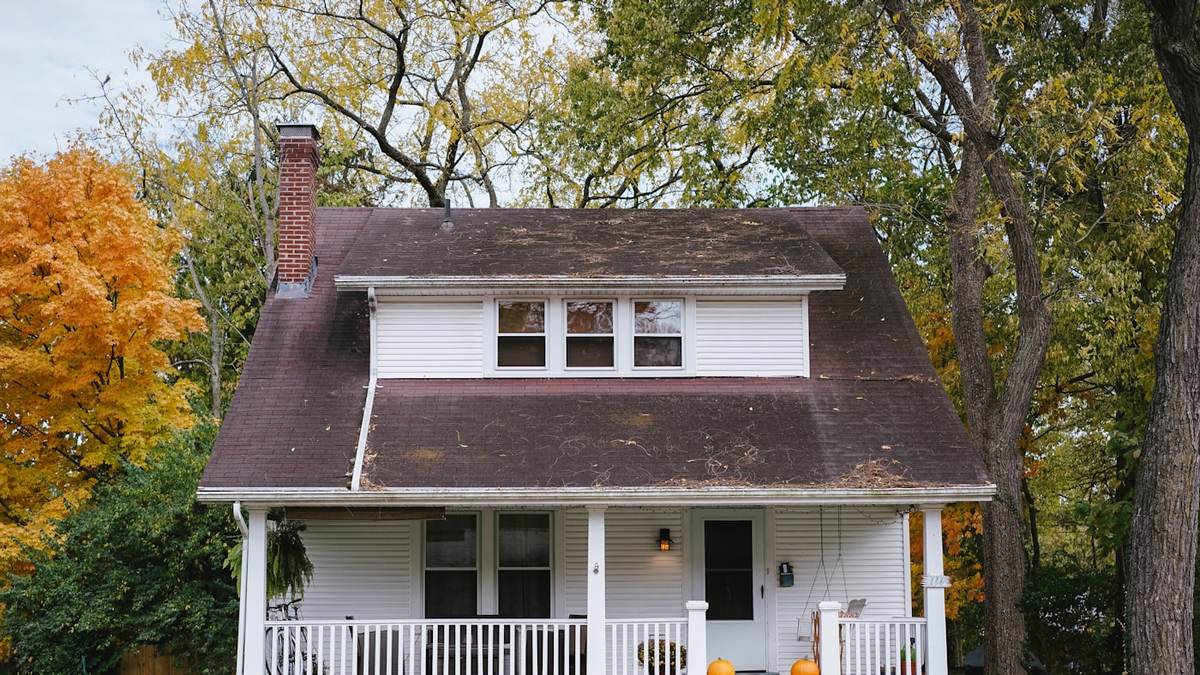
A well-built deck or pergola adds outdoor living space and lifts a property’s street appeal, but the price varies enormously depending on materials, size, and site conditions. The average deck or pergola cost in Australia sits between $5,000 and $15,000 for a standard project, though budget builds start closer to $3,000 and premium designs can exceed $25,000. This guide breaks down every cost component so you can compare quotes from a licensed carpenter or licensed builder.
How Much Does a Deck or Pergola Cost? The Short Answer
Total deck or pergola cost depends on whether you are building a deck, a pergola, or both. Here is how the three project types compare across budget tiers for a 20m² footprint.
| Budget Tier | Deck Only (20m²) | Pergola Only (20m²) | Deck + Pergola Combined |
|---|---|---|---|
| Budget | $4,000–$5,500 | $3,000–$5,500 | $6,500–$10,000 |
| Mid-range | $6,500–$10,000 | $6,500–$10,000 | $12,000–$18,000 |
| Premium | $10,000–$18,000 | $10,000–$16,000 | $18,000–$30,000+ |
Budget decks use treated pine on a simple ground-level frame. Mid-range projects step up to merbau hardwood or composite boards with a steel or hardwood pergola frame. Premium builds feature spotted gum or branded composite decking, insulated pergola roofing, glass balustrades, and integrated lighting. Prices include supply and standard installation but exclude council permits, engineering plans, and site preparation, which can add $1,500 to $5,000 or more.
Deck Cost Per Square Metre by Material
Material choice is the single biggest factor in your deck or pergola cost. Here is how the most popular decking materials compare per square metre, including supply and installation.
| Material | Cost per m² (Installed) | Lifespan | Maintenance | Best For |
|---|---|---|---|---|
| Treated pine | $200–$270 | 15–20 years | Oil or stain annually | Budget builds, painted finishes, short-term use |
| Merbau (hardwood) | $320–$450 | 25–40 years | Oil every 2–3 years | Mid-range builds, rich colour, good durability |
| Spotted gum | $350–$500 | 30–40+ years | Oil every 2–3 years | Premium natural look, fire-resistant (BAL zones) |
| Composite (ModWood, Trex) | $300–$550 | 25–30 years | Wash annually, no oiling | Low maintenance, consistent colour, recycled content |
| Aluminium | $400–$700 | 40+ years | Minimal (wash only) | Pool surrounds, marine environments, commercial |
Treated pine is the cheapest option at $200 to $270 per square metre installed, but it demands annual maintenance. Merbau remains the most popular hardwood choice across Australia, balancing cost and durability. Composite decking from brands like ModWood (Australian-made from recycled timber and plastic) or Trex (US-made, capped boards) costs more upfront but eliminates ongoing oiling. Aluminium decking suits pool areas and coastal properties where timber would deteriorate quickly.
Pergola Cost Per Square Metre by Type
Pergola pricing varies more than decking because the category spans everything from a simple open frame to a fully insulated outdoor room.
| Pergola Type | Cost per m² (Installed) | Maintenance | Best For |
|---|---|---|---|
| Open treated pine frame | $150–$350 | Stain every 1–2 years | Budget shade structure, vine support |
| Hardwood frame (merbau, spotted gum) | $280–$500 | Oil every 2–3 years | Natural look, stronger spans |
| Steel/Colorbond (flat roof) | $200–$400 | Minimal (wash only) | Weather protection, clean lines |
| Aluminium (powder-coated) | $300–$600 | Minimal (wash only) | Modern look, lightweight, wide colour range |
| Insulated panel (Stratco Cooldek) | $350–$600 | Minimal (wash only) | Year-round comfort, temperature control, ceiling finish |
An open timber pergola provides filtered shade and supports climbing plants but offers no rain protection. Adding a Colorbond or polycarbonate roof converts the pergola into a usable all-weather space, which is also the point where most councils require a building permit. Insulated panel systems like Stratco Cooldek or Lysaght provide a finished ceiling underneath and reduce heat transfer by up to 97 percent compared to single-skin metal roofing.
Factors That Affect Deck or Pergola Cost
Every project is different. These eight factors have the biggest impact on your final bill.
1. Material Selection
As the tables above show, material choice creates a threefold price difference between budget and premium options. Treated pine decking at $200 per square metre versus spotted gum at $500 per square metre means a 20m² deck ranges from $4,000 to $10,000 in materials and labour before any extras. Pergola material choices follow the same pattern, with open pine frames costing less than half the price of insulated aluminium systems.
2. Deck Height and Site Slope
A ground-level deck built directly onto bearers and joists is the cheapest scenario. Elevated decks (over 600mm above ground) require deeper footings, steel posts or engineered timber stumps, cross-bracing, and balustrades that comply with the NCC. A sloping block may need cut-and-fill earthworks or a suspended subframe. Expect elevated decks to cost 30 to 50 percent more per square metre than ground-level builds.
3. Size and Shape
Larger decks benefit from economies of scale because mobilisation, set-up, and tool costs are spread across more square metres. However, complex shapes with curves, multiple levels, or wraparound designs increase labour time and material waste. A simple rectangular 20m² deck costs less per square metre than an L-shaped 20m² deck with the same total area.
4. Subframe Construction
The subframe (bearers, joists, posts, and footings) is hidden but accounts for 30 to 40 percent of total deck cost. Hardwood subframes cost more than treated pine but last longer. Steel subframes suit elevated builds and termite-prone areas. Concrete pier footings ($50 to $120 each) are standard, but screw piles ($150 to $250 each) work better on reactive clay soils.
5. Balustrades and Stairs
Balustrades are required by the NCC on any deck 1 metre or more above ground level. They add significant cost per linear metre.
| Balustrade Type | Cost per Linear Metre |
|---|---|
| Timber with wire infill | $150–$250 |
| Aluminium | $200–$350 |
| Stainless steel wire | $250–$400 |
| Glass (semi-frameless) | $350–$600 |
A 20m² elevated deck with 12 linear metres of balustrade adds $1,800 to $7,200 depending on the material. Stairs add $600 to $3,000 per flight depending on width, material, and height.
6. Pergola Roofing Type
An open pergola frame with exposed rafters is the cheapest option. Adding a roof transforms both the cost and the compliance requirements.
- Shade cloth or retractable shade: $50–$100/m² (no permit usually needed)
- Polycarbonate sheeting: $80–$150/m² (permit usually required)
- Colorbond steel: $100–$200/m² (permit required)
- Insulated panel (Cooldek): $150–$300/m² for panels alone (permit required)
The roofing material often triggers the need for a building permit. An open frame may be exempt, but adding solid roofing converts it to a Class 10a building under the NCC.
7. Your Location
Labour rates and material transport costs vary across Australia. Sydney and Melbourne run 10 to 20 percent higher than the national average. Regional and remote areas add 10 to 25 percent for freight and travel time.
8. Council Permits and Engineering
Permit costs are separate from your builder’s quote but essential to budget for. A development application or complying development certificate costs $250 to $1,500. Structural engineering plans add $500 to $2,500. A private building certifier charges $300 to $1,000 for inspections and final sign-off.
Regional Cost Comparison
Deck or pergola cost varies across Australia. Here is how the major capital cities compare for a standard 20m² merbau deck with a Colorbond pergola (supply and install).
| City | Typical Installed Cost | Compared to National Average |
|---|---|---|
| Sydney | $14,000–$22,000 | 15–20% higher |
| Melbourne | $13,000–$20,000 | 10–15% higher |
| Brisbane | $11,000–$17,000 | Close to average |
| Perth | $11,500–$17,500 | Close to average |
| Adelaide | $10,500–$16,500 | Close to average |
| Hobart | $11,500–$18,000 | 5–10% higher |
| Canberra | $11,000–$17,500 | 5–10% higher |
| Darwin | $13,000–$20,000 | 10–15% higher |
Sydney’s premium reflects higher labour rates and complex sites (sloping blocks, restricted access, bushfire zones). Darwin’s costs are elevated by freight and limited competition. Perth coastal properties often need marine-grade fixings, adding 5 to 10 percent to material costs.
How to Get Accurate Quotes
Getting an accurate deck or pergola cost starts with good preparation. Follow these steps to compare quotes fairly.
Get at least three quotes. Three quotes from licensed builders or carpenters gives you a realistic price range. If one quote is 40 percent below the others, check what is excluded or whether cheaper materials were substituted.
Confirm licensing. Decks and pergolas are regulated building work in most states. Your builder must hold the appropriate licence class for the project value. Verify your builder on the TradieVerify directory or check with your state regulator.
Request itemised quotes. A good quote separates materials, labour, subframe, fixings, council fees, and engineering costs. This lets you compare line by line across quotes.
Ask about permit responsibilities. Some builders include council applications and engineering plans in their quote. Others leave this to the homeowner. Clarify upfront to avoid surprise costs of $1,000 to $4,000.
Check insurance and warranties. Confirm your builder carries public liability insurance (minimum $5 million) and offers a structural warranty. Home building compensation (previously home warranty insurance) is required in most states for projects over certain thresholds: $20,000 in NSW, $16,000 in VIC, and $3,300 in QLD.
Hidden Costs and Exclusions
Budget blowouts happen when items not in the original quote appear during construction. These hidden costs catch homeowners off guard.
Council permits and engineering. Development applications ($250 to $1,500), structural engineering plans ($500 to $2,500), and private certifier fees ($300 to $1,000) are rarely included in builder quotes. For a 20m² elevated deck, total compliance costs can reach $3,000 to $5,000.
Site preparation. Clearing vegetation, removing an existing deck ($25 to $45 per square metre for demolition), levelling the site, or addressing drainage adds $500 to $3,000. A licensed landscaper can handle site clearing and retaining walls if the block slopes.
Balustrades. If your deck is over 1 metre above ground, balustrades are mandatory under the NCC. Glass balustrades on a 12-metre perimeter add $4,200 to $7,200. Many quotes exclude balustrades or include only basic timber options.
Electrical work. Outdoor lighting, power points, and ceiling fans for a pergola require a licensed electrician. Budget $800 to $2,500 for a typical deck and pergola lighting package.
Stormwater and drainage. A roofed pergola collects rainwater that must be managed. Downpipes and connection to existing stormwater may require a licensed plumber. Budget $500 to $1,500.
Ongoing timber maintenance. Treated pine needs annual oiling ($8 to $15 per square metre professionally). Merbau needs oiling every 2 to 3 years. A licensed painter can handle deck staining and oiling. Over 10 years, a 20m² treated pine deck costs $1,600 to $3,000 in maintenance versus near zero for composite or aluminium.
Timber vs Composite vs Aluminium: 10-Year Cost Comparison
Upfront cost tells only part of the story. Here is how total ownership cost compares over 10 years for a 20m² deck.
| Cost Component | Treated Pine | Merbau | Composite | Aluminium |
|---|---|---|---|---|
| Installation | $4,000–$5,400 | $6,400–$9,000 | $6,000–$11,000 | $8,000–$14,000 |
| Maintenance (10 yrs) | $1,600–$3,000 | $800–$1,500 | $0–$200 | $0–$100 |
| Repairs/replacement | $500–$1,500 | $200–$500 | $0–$200 | $0 |
| 10-Year Total | $6,100–$9,900 | $7,400–$11,000 | $6,000–$11,400 | $8,000–$14,100 |
Composite decking closes the gap with merbau over 10 years because it requires no oiling, staining, or sanding. Treated pine looks cheap at installation but its annual maintenance obligation narrows the lifetime cost difference significantly.
Tips to Save Money on Your Deck or Pergola
Reducing your deck or pergola cost does not mean settling for poor quality. These strategies deliver genuine savings.
Keep the design simple. A rectangular deck costs less per square metre than curved, multi-level, or wraparound designs. Straight cuts mean less material waste and faster installation.
Choose treated pine for hidden elements. Use treated pine for the subframe (bearers, joists, stumps) even if you choose hardwood or composite for the decking boards. The subframe is invisible and treated pine H4 is rated for in-ground contact.
Build ground-level where possible. A ground-level deck (under 600mm above ground) avoids the cost of deep footings, steel posts, cross-bracing, and mandatory balustrades. It also simplifies or eliminates the permit process in most states.
Bundle deck and pergola together. Building both at the same time saves on mobilisation, site setup, and engineering fees compared to two separate projects. Many builders offer 10 to 15 percent discount on combined projects.
Book during quieter months. Builders and carpenters are busiest from September to March. Booking your project during autumn or winter (April to August) often means better availability and more competitive pricing.
Compare material lifetime costs. A composite deck may cost $2,000 more upfront than treated pine, but it saves $1,600 to $3,000 in maintenance over 10 years. Run the numbers before defaulting to the cheapest material.
Council Permit Requirements by State
One of the most overlooked costs in any deck or pergola project is council approval. Requirements vary by state, and getting it wrong can mean fines or a demolition order.
New South Wales. Decks under 600mm above ground are generally exempt development. Pergolas up to 25m² (lots over 450m²) are exempt if open-framed and freestanding. Adding a solid roof (polycarbonate, Colorbond) triggers a Complying Development Certificate or DA.
Victoria. Building permits are required for most decks attached to the dwelling, regardless of height. This is stricter than other states. Detached ground-level decks under 10m² may be exempt. Roofed pergolas require a building permit.
Queensland. Decks under 10m² total area do not require building approval. Above 10m², a private building certifier or council approval is needed. QBCC licensing is required for all work over $3,300 (labour and materials combined). Check your builder on TradieVerify.
Western Australia. A building permit is required if the deck is 500mm or more above ground. Open shade structures may be exempt under certain size thresholds. Solid-roofed pergolas generally require approval. Cyclone-rated areas (north of the 26th parallel) have additional engineering requirements.
South Australia. Modest open structures may be exempt, but roofed pergolas, elevated decks, and anything affecting boundary setbacks requires development approval. SA has no minimum dollar threshold for licensing of building work.
Tasmania, ACT, Northern Territory. Similar principles apply: structure size, roof type, height above ground, and boundary setbacks determine whether approval is needed. Heritage overlays, bushfire zones (BAL ratings), and flood zones always require assessment regardless of structure size.
In all states: if your property has a heritage overlay, is in a bushfire-prone area (BAL-12.5 or higher), or is in a flood zone, council approval is required regardless of deck or pergola size.
Frequently Asked Questions
How much does a basic 20m² deck cost in Australia?
A basic 20m² treated pine deck costs $4,000 to $5,500 installed. Stepping up to merbau adds $2,500 to $4,500 to that figure. These prices cover materials and standard installation on a flat, accessible site but exclude council permits, engineering plans, and balustrades.
Do I need a permit to build a deck or pergola?
It depends on your state and the project scope. Generally, ground-level decks under 10m² and open-framed pergolas under 20 to 25m² are exempt in most states. Elevated decks (over 500 to 600mm), large structures, and any pergola with a solid roof typically require a building permit. Always check with your local council before starting work.
Is composite decking worth the extra cost over timber?
Composite decking costs 20 to 50 percent more than treated pine at installation but eliminates annual oiling and staining. Over 10 years, composite and merbau reach roughly similar total ownership costs. Composite is particularly worth considering if you want a low-maintenance deck or live in a termite-prone area.
How long does it take to build a deck and pergola?
A standard 20m² ground-level deck takes 3 to 5 days for an experienced team. Add 2 to 4 days for an attached pergola. Elevated decks on sloping sites take 5 to 10 days. Council approval adds 2 to 8 weeks before construction can start.
Should I build the deck and pergola together or separately?
Building both together is almost always cheaper. You save on mobilisation fees, site setup, skip bin hire, and engineering costs. A combined project also ensures the deck subframe and pergola footings are designed to work together structurally. Most builders offer 10 to 15 percent discount on combined projects.
What is the cheapest type of pergola to build?
An open treated pine pergola frame is the cheapest option at $150 to $350 per square metre installed. A 15m² open pine pergola costs roughly $2,500 to $5,000. For weather protection on a budget, adding polycarbonate roofing sheets ($80 to $150 per square metre) is cheaper than Colorbond or insulated panels, though it lets in more heat.
Related Guides
- How to Hire a Licensed Carpenter — Our carpenter hiring guide
- Building Permits and Approvals — Our building permits guide
- How to Hire a Licensed Builder — Our builder hiring guide
Sources
- HIA. Housing Industry Association Building Costs Guide 2025. hia.com.au
- QBCC. Licensing Requirements for Residential Building Work. qbcc.qld.gov.au
- NSW Planning Portal. Exempt and Complying Development: Decks and Patios. planningportal.nsw.gov.au
- VBA. Building Permits for Decks and Pergolas. vba.vic.gov.au
- Standards Australia. AS 1170 Structural Design Actions. standards.org.au
- National Construction Code. Volume Two: Class 1 and 10 Buildings. ncc.abcb.gov.au
- Master Builders Australia. Residential Construction Costs 2025. masterbuilders.com.au
- Australian Competition and Consumer Commission. Australian Consumer Law: Services. accc.gov.au