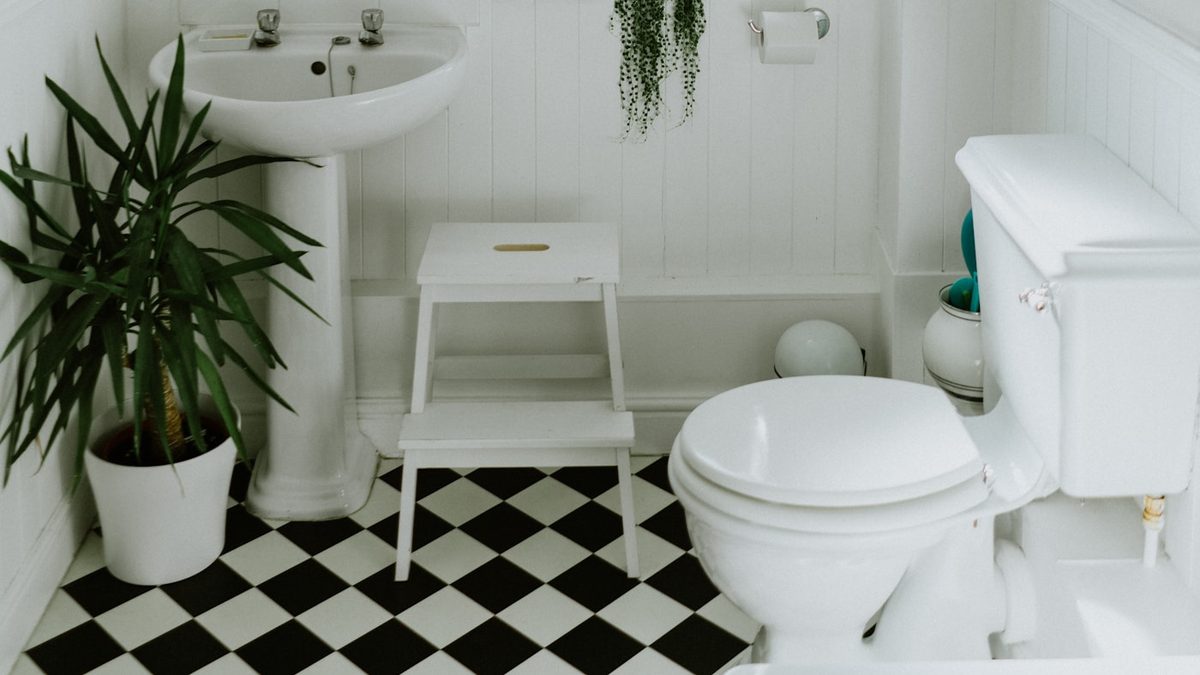
A bathroom renovation is one of the most common home improvement projects in Australia, and one of the most expensive to get wrong. The Housing Industry Association (HIA) puts the national average at roughly $26,000, but the real figure depends on your bathroom size, location, material choices, and whether you need to move plumbing or electrical. This guide breaks down bathroom renovation cost in Australia by budget tier, itemised trade, and state, so you can plan your budget before a single tile gets ripped off the wall.
How Much Does a Bathroom Renovation Cost? The Short Answer
The total bathroom renovation cost in Australia ranges from $10,000 to $80,000 or more. Here is how the three main budget tiers compare.
| Budget Tier | Total Cost Range | What You Get |
|---|---|---|
| Budget | $10,000–$20,000 | Cosmetic refresh. Replace fixtures, re-tile over existing substrate where possible, paint, new vanity and tapware. Keep existing layout. |
| Mid-range | $20,000–$40,000 | Full strip-out and rebuild. New tiles, waterproofing, updated plumbing, quality fixtures, frameless shower screen, new lighting. |
| Premium | $40,000–$80,000+ | Complete redesign. Layout changes, underfloor heating, freestanding bath, custom cabinetry, designer tapware, heated towel rails, smart lighting. |
These ranges are based on a standard-sized bathroom of roughly 5 to 8 square metres. Ensuites and powder rooms sit at the lower end of bathroom renovation cost, while master bathrooms and wet rooms push prices higher.
Factors That Affect Bathroom Renovation Cost
Every project is different. These eight factors have the biggest impact on your bathroom renovation cost.
1. Bathroom Size
A small ensuite of 3 to 4 square metres costs significantly less to tile, waterproof, and fit out than a 10-square-metre family bathroom. Tiling alone can swing by $2,000 to $5,000 depending on floor area and wall height.
2. Layout Changes
Keeping existing plumbing and electrical in the same positions saves thousands. Moving a toilet, shower, or vanity to a new location requires re-routing waste pipes, water lines, and electrical circuits. A layout change can add $3,000 to $8,000 to your project.
3. Tiling Choices
Tile costs range from $20 per square metre for basic ceramic through to $150 or more per square metre for large-format porcelain, natural stone, or designer options. Labour for tiling runs $75 to $120 per square metre. The total tiling bill on a mid-range renovation is often $4,000 to $8,000. Find a licensed tiler on TradieVerify to compare quotes.
4. Fixtures and Fittings
A basic toilet, vanity, and mixer set might cost $1,500 total. A wall-hung vanity with stone benchtop, rimless toilet, and designer tapware can push fixtures alone past $8,000. Freestanding baths range from $800 to $5,000 depending on material and brand.
5. Waterproofing
Waterproofing is a non-negotiable cost in any bathroom renovation. It must comply with AS 3740:2021 under the National Construction Code. Professional waterproofing for a standard bathroom costs $1,000 to $2,500, depending on the number of wet areas and complexity.
6. Structural Work
Older bathrooms may have rotten floor joists, asbestos sheeting, or non-compliant framing. Structural repairs can add $2,000 to $10,000 if discovered during demolition. Asbestos removal must be done by a licensed removalist and typically costs $1,500 to $4,000 for a bathroom.
7. Your Location
Where you live in Australia has a direct impact on labour rates and material delivery costs. Sydney and Melbourne are the most expensive markets, with renovation costs running 10 to 20 percent higher than the national average. Regional areas can be 10 to 15 percent cheaper, but tradesperson availability may affect scheduling.
8. Accessibility Requirements
If the renovation needs to meet accessibility standards (grab rails, hobless shower, wider doorway, raised toilet), expect an additional $2,000 to $6,000 depending on the scope of modifications required.
Itemised Cost Breakdown by Trade
Understanding where your money goes helps you make informed decisions about where to save and where to invest. Here is a typical bathroom renovation cost breakdown for a mid-range project ($20,000–$40,000).
| Work Item | Cost Range (AUD) | Notes |
|---|---|---|
| Demolition and removal | $1,500–$3,500 | Strip-out of existing tiles, fixtures, and fittings. Tile removal runs $45–$55/sqm. Skip bin hire $300–$600. |
| Plumbing | $3,000–$8,000 | New water lines, waste pipes, mixer valves, toilet connection. Moving plumbing adds $1,500–$3,000. Plumber rates $80–$120/hr. |
| Waterproofing | $1,000–$2,500 | Membrane application to shower, floor, and wet areas per AS 3740:2021. Includes bond-breaker and puddle flanges. |
| Tiling (labour) | $2,500–$5,000 | Floor and wall tiling at $75–$120/sqm. Includes prep, adhesive, and grouting. |
| Tiles (materials) | $1,500–$5,000 | Budget ceramic $20–$40/sqm. Mid-range porcelain $50–$90/sqm. Premium stone/large-format $100–$150+/sqm. |
| Electrical | $1,500–$3,500 | New lighting, exhaust fan, heated towel rail wiring, power points. Electrician rates $80–$110/hr. |
| Fixtures and fittings | $2,000–$8,000 | Toilet $300–$1,500. Vanity $500–$3,000. Shower screen $400–$1,800. Tapware $200–$1,200. Mirror/cabinet $150–$800. |
| Cabinetry and joinery | $800–$3,000 | Custom vanity, shelving, or recessed storage niches. |
| Painting | $500–$1,200 | Ceiling and any non-tiled wall areas. Two coats of wet-area paint. |
| Project management | $0–$3,000 | If using a builder to coordinate trades. Some builders charge 10–15% of total cost. |
Total mid-range estimate: $14,300–$42,700
Labour typically accounts for 40 to 50 percent of bathroom renovation cost in Australia. The remaining 50 to 60 percent covers materials, fixtures, and disposal.
Regional Cost Comparison
Bathroom renovation cost varies considerably across Australia. Here is how the major capital cities compare for a mid-range full renovation.
| City | Typical Cost Range | Compared to National Average |
|---|---|---|
| Sydney | $28,000–$45,000 | 15–20% higher |
| Melbourne | $25,000–$38,000 | 10–15% higher |
| Brisbane | $22,000–$35,000 | Close to average |
| Perth | $22,000–$34,000 | Close to average |
| Adelaide | $20,000–$32,000 | 5–10% lower |
| Hobart | $20,000–$30,000 | 5–10% lower |
| Canberra | $24,000–$36,000 | 5–10% higher |
| Darwin | $25,000–$38,000 | 10–15% higher |
Sydney’s premium reflects higher labour rates, stricter council requirements, and increased material delivery costs. Darwin’s higher costs are driven by limited tradesperson supply and freight costs on materials. Regional areas within each state are typically 10 to 15 percent cheaper than the capital city, though availability of specialist trades such as waterproofing tilers can affect scheduling.
How to Get Accurate Quotes
Getting the right price starts before you pick up the phone. Follow these steps to get quotes you can actually compare.
Get at least three quotes. Three quotes from licensed tradies gives you a realistic price range and helps you spot outliers. If one quote is 40 percent cheaper than the others, that is a red flag, not a bargain.
Be specific about scope. Provide each tradesperson with the same brief: bathroom dimensions, what you want to keep, what you want to change, fixture brands you are considering, and any known issues (mould, asbestos, water damage). Vague briefs produce vague quotes.
Ask for itemised quotes. A lump-sum quote of “$25,000 for a bathroom reno” tells you nothing. An itemised quote breaks costs into demolition, plumbing, waterproofing, tiling, electrical, fixtures, and project management. This lets you compare line by line and negotiate individual items.
Confirm licensing. Every tradesperson working on your bathroom should hold the relevant state licence. Verify your plumber, electrician, tiler, and builder on TradieVerify or the relevant state register before signing any contract.
Check insurance. Ask for copies of public liability insurance (minimum $5 million is standard in the industry) and, if the contractor employs workers, their workers compensation certificate.
Hidden Costs and Exclusions
Budget blowouts happen when items not in the original quote appear during the project. These hidden bathroom renovation costs catch homeowners off guard.
Asbestos. Bathrooms built before 1990 may contain asbestos in wall sheeting, floor tiles, or the adhesive beneath tiles. Testing costs $50 to $200 per sample. Removal costs $1,500 to $4,000 and requires a licensed asbestos removalist.
Structural damage. Water damage behind tiles is invisible until demolition begins. Rotten floor joists, damaged wall frames, or termite damage can add $2,000 to $10,000 in unplanned structural repairs. A good builder will flag this risk during the quoting stage.
Council approvals. Most cosmetic bathroom renovations do not require council approval. However, if you are changing the layout, adding a new bathroom, or modifying plumbing, you may need a complying development certificate (CDC) or a development application (DA). Fees range from $500 to $2,500 depending on your council.
Temporary bathroom. A full bathroom renovation takes four to six weeks. If it is your only bathroom, you may need a portable bathroom hire at $150 to $300 per week.
Disposal fees. Skip bin hire ($300–$600) and tip fees for tiles, rubble, and old fixtures are sometimes excluded from quotes. Asbestos disposal incurs additional regulated fees.
Variations. Changes made after the contract is signed are charged as variations, often at a premium. Finalise your design, tile selection, and fixture choices before work begins.
Tips to Save Money on Your Bathroom Renovation
Reducing bathroom renovation cost does not mean cutting corners. These strategies lower your bill without compromising quality.
Keep the existing layout. Moving plumbing and electrical is the single most expensive change in a bathroom renovation. If the current layout works, keep it.
Choose mid-range tiles. The difference between a $30/sqm porcelain tile and a $120/sqm natural stone tile is thousands of dollars across a full bathroom. Quality porcelain tiles look excellent and last decades.
Supply your own fixtures. Some contractors mark up fixtures by 15 to 30 percent. Buying your own toilet, vanity, and tapware from a bathroom showroom or online retailer can save $1,000 to $3,000. Confirm with your tradesperson first, as some will not warranty fixtures they did not supply.
Do cosmetic work yourself. Painting the ceiling, installing towel rails, or fitting a mirror are tasks most homeowners can handle. Leave tiling, plumbing, electrical, and waterproofing to licensed professionals.
Time your renovation. Bathroom renovators are busiest from September to March. Booking during winter (June to August) may get you better availability and potentially lower quotes.
Use a project manager or builder. While a licensed builder charges a management fee, they coordinate all trades, handle scheduling, and manage variations. This often saves money compared to managing five or six individual tradespeople yourself.
State-Specific Considerations
Each Australian state and territory has its own licensing requirements and regulations that affect bathroom renovations.
New South Wales. Any residential building work over $5,000 requires a licensed contractor. Plumbing and electrical work require separate licences regardless of value. The Home Building Compensation Fund (HBCF) insurance is mandatory for work over $20,000. A licensed plumber must issue a Certificate of Compliance (CoC) for all plumbing work.
Victoria. The Victorian Building Authority (VBA) requires registration for plumbing and electrical work. Domestic building contracts over $10,000 must be in writing. Building permits may be required for structural changes. Waterproofing must be inspected before tiling.
Queensland. The QBCC requires a licence for any building work over $3,300 including labour and materials. Separate licences exist for plumbing, electrical, tiling, painting, and waterproofing. QBCC provides a dispute resolution process if issues arise.
Western Australia. Building permits required for renovations over $20,000 in many local government areas. Painter licensing required for work over $1,000. Plumbing and electrical work must be done by licensed tradies regardless of value.
South Australia. Building work must be carried out by a licensed building work contractor. Plumbing and gas work require separate licences from the Office of the Technical Regulator.
Tasmania. Licensed building practitioners required for structural work. Plumbing and electrical work require separate occupational licences.
ACT. Building work over $12,000 requires a licensed builder. All plumbing, electrical, and gasfitting work requires licensed tradies. Search for licensed tradies on TradieVerify.
Northern Territory. Building work over $12,000 requires a registered building practitioner. Plumbing and electrical work require separate licences.
Frequently Asked Questions
How long does a bathroom renovation take?
A standard mid-range bathroom renovation takes four to six weeks from demolition to completion. Budget cosmetic refreshes can be finished in two to three weeks. Premium renovations with custom joinery and imported fixtures can stretch to eight to twelve weeks. Weather, tradesperson availability, and material lead times affect the timeline.
Can I renovate my bathroom for under $10,000?
Yes, but you will need to keep the existing layout, plumbing, and electrical positions. A sub-$10,000 renovation typically covers re-grouting or painting over existing tiles, replacing the vanity and tapware, fitting a new toilet, updating the mirror and lighting, and painting. This is a cosmetic refresh rather than a full renovation.
Do I need council approval for a bathroom renovation?
Most like-for-like bathroom renovations (replacing tiles, fixtures, and fittings in the same positions) do not require council approval. You will need approval if you are adding a new bathroom, changing the building footprint, or modifying structural elements. Plumbing and electrical work always requires licensed tradies to lodge compliance certificates with the relevant authority.
Should I hire a builder or manage trades myself?
A licensed builder adds 10 to 15 percent in project management fees but coordinates all trades, manages the schedule, handles variations, and takes responsibility for the finished result. Managing trades yourself can save $3,000 to $5,000 on a mid-range renovation, but you take on the risk of scheduling conflicts, trade coordination issues, and resolving any defects yourself.
What is the most expensive part of a bathroom renovation?
Plumbing and tiling are typically the two largest cost items. Together, they account for 35 to 45 percent of a mid-range renovation budget. If you change the plumbing layout, plumbing alone can reach $8,000 or more. After that, fixtures and fittings are the next largest variable cost.
Is underfloor heating worth the cost in a bathroom?
Electric underfloor heating for a bathroom costs $800 to $2,000 installed (including the thermostat) and adds roughly $30 to $60 per year to your electricity bill. It is most worthwhile in southern states (VIC, TAS, ACT, SA) where morning floor temperatures can drop below 10 degrees in winter. The key consideration is that underfloor heating must be installed before tiling, so it cannot be easily added later.
Related Guides
- How to Hire a Licensed Plumber — Our plumber hiring guide
- How to Hire a Licensed Tiler — Our tiler hiring guide
- How Much Does a Kitchen Renovation Cost? Full 2025–2026 Price Guide — Our kitchen renovation costs
Sources
- Housing Industry Association (HIA). Kitchen & Bathroom Renovation Report. hia.com.au
- QBCC. Licensing Requirements for Building Work. qbcc.qld.gov.au
- Victorian Building Authority. Registration and Licensing. vba.vic.gov.au
- NSW Fair Trading. Home Building Licences. fairtrading.nsw.gov.au
- Standards Australia. AS 3740:2021 Waterproofing of Domestic Wet Areas. standards.org.au
- Master Builders Australia. Building Costs Guide 2025. masterbuilders.com.au
- Australian Competition and Consumer Commission. Australian Consumer Law: Services. accc.gov.au
- Canstar. Average Bathroom Renovation Cost 2025. canstar.com.au